
Best Methods To Paint Your Vehicle
- December 21, 2021ng to the primer you’ve selected. Usually, it takes 20 minutes for the primer to cure.
Step 8 – Sand Once Again
After you’ve primed the surfaces, sand the area again but not too hard to expose the metal surface again.
Step 9 – Wipe The Surface
Now wipe the surface with a rag dampened with thinner.
Painting
Step 10 – Paint
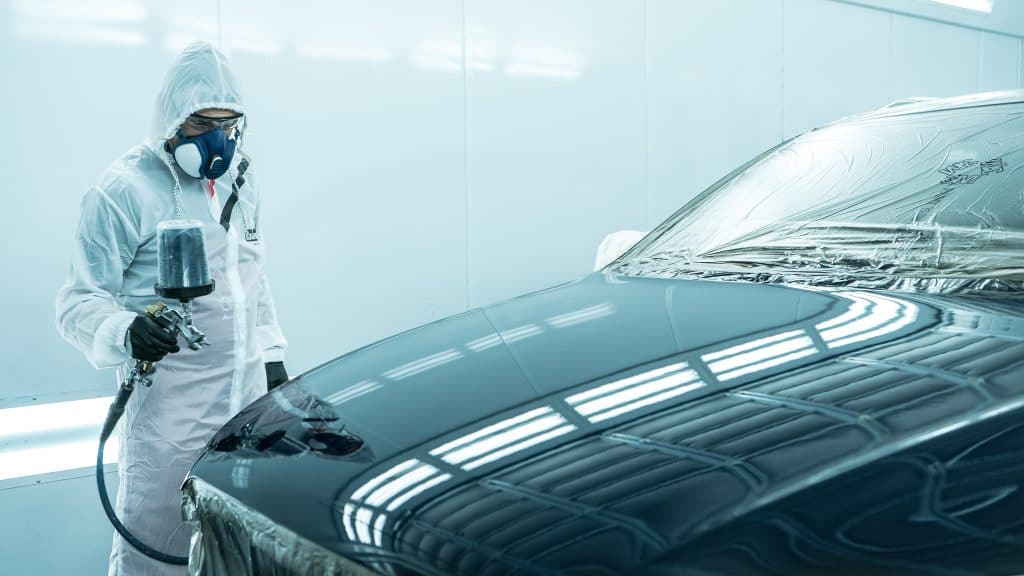
After all the steps, it’s time to paint now. Ensure you’re wearing face mask and safety glasses to avoid any contact of paint to the eyes or lungs.
- Just like the primer, thin out the topcoat with thinner. Refer to the paint can for the recommended ratios.
- Just like you did with primer, paint the car by spraying the roof down. The painting and curing time will be approximately the same as a primer, around ten minutes to paint and 20 to 60 minutes to cure. Just like the primer, allow the paint to dry completely before applying another coat.
- Apply two or three coats of paint or as you feel necessary. If you run out of paint before the second coat, bring some more to ensure proper coverage.
- After the topcoat, wipe the car down again with a clean rag.
Lacquering The Vehicle
Step 11 – Lacquer
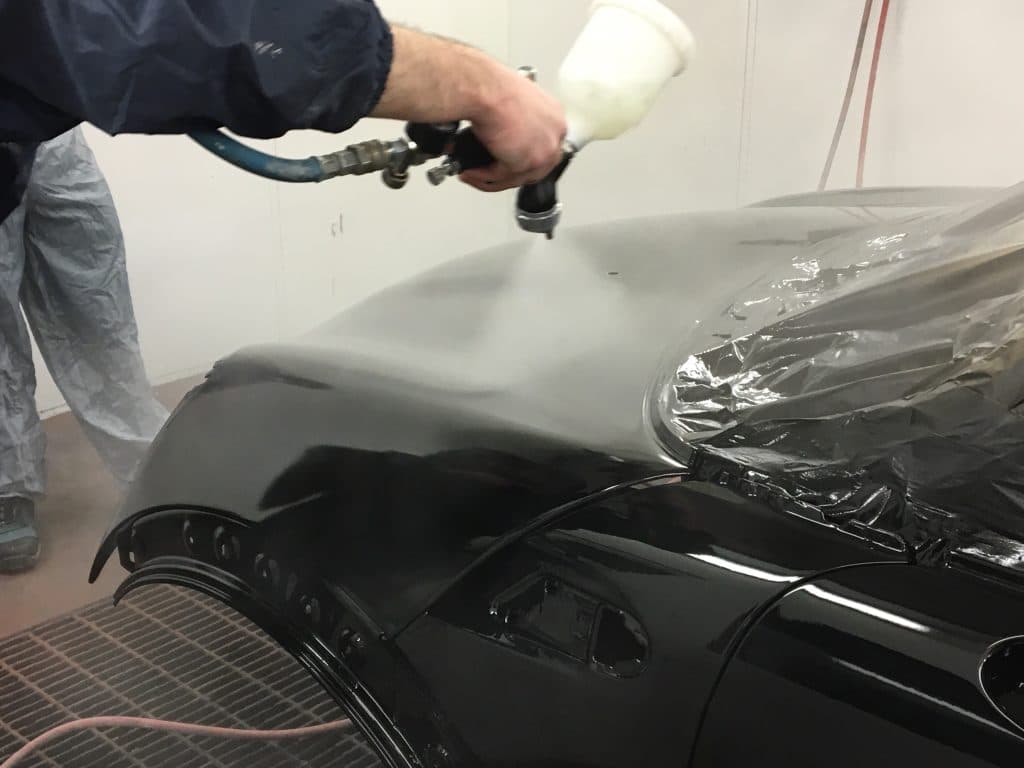
- Like you did with paint and primer, repeat the steps with lacquer with one or two coats.
- While the clear coat is wet, remove the masking tape. Be cautious while removing the masking tape to avoid any blemishes in the clear coat.
- Now see the recommended time and allow the lacquer to cure. Once the coat is dry, inspect the vehicle for any blemishes. If you find any, sand those and respray a little.
- With circular motions, complete your painting task by buffing the painted surfaces. You can also use a rubbing compound, but that’s completely optional.
The Bottom Line
Painting a car doesn’t have to be a stressful task. You can make the job successful by buying quality products, using the right tools, and having a clean, dust-free workspace.
Sometimes no matter how carefully you do all the steps, some mistakes can occur. Whether you see the paint drying in an uneven pattern or any blemishes, all these mistakes you can fix with a bit of research and, of course, patience.


Related Posts

The Best Time of Year to Buy a Used Car

Buying a used car can be a smart financial decision, but the timing of the purchase often plays an important role in how much a buyer ultimately pays. Used vehicle prices fluctuate…

The Top Electric Vehicles Coming In 2026

The year 2026 signals a major step forward for electric vehicles as drivers gain access to models that elevate range, comfort, and technology in meaningful ways. Interest continues to rise as more…

The Most Anticipated Vehicles Of 2026
The 2026 model year is shaping up to be one of the most exciting periods in the automotive industry, bringing together advancements in electric power, design, and everyday usability. Drivers will see…