

Minimalism and Functionality
Minimalism in car design is gaining momentum, marking a shift from complex designs to simpler, more functional aesthetics. This trend is characterized by clean lines, uncluttered surfaces, and a focus on the essentials. The interior of the Lucid Air, for instance, embodies this minimalist approach with its spacious, open cabin, devoid of unnecessary buttons and switches, relying instead on a sleek central touchscreen. Such designs are not only visually appealing but also enhance the user experience by making the vehicle more intuitive and easier to interact with.
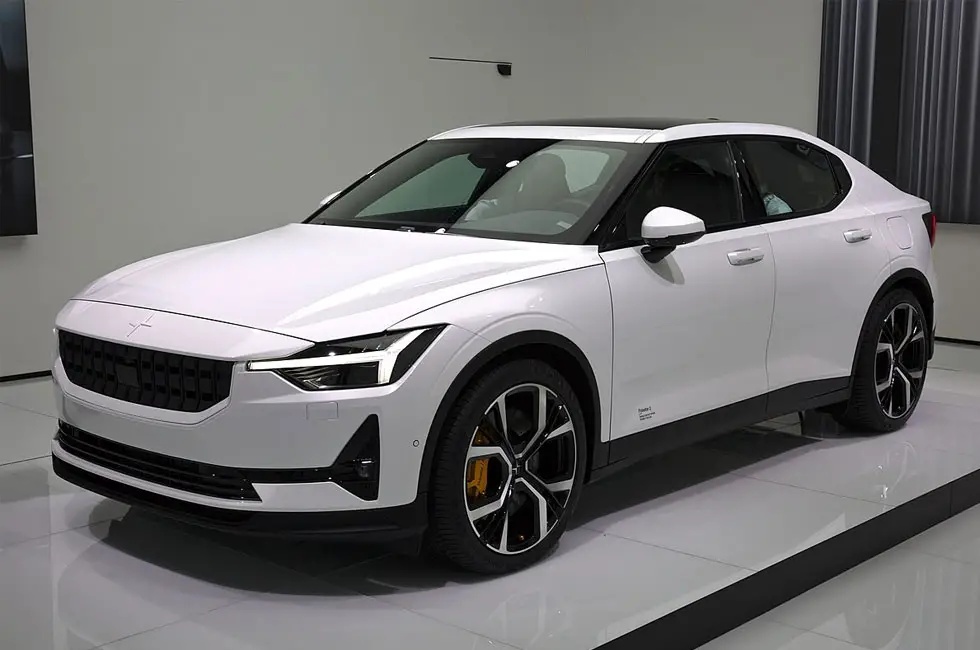
The exterior design of cars is also reflecting this minimalist philosophy. Gone are the days of aggressive grilles and ornate detailing; today’s designs are about efficiency and aerodynamics. The Polestar 2’s exterior, with its smooth contours and absence of superfluous embellishments, illustrates how minimalism can be applied to create a design that is both elegant and functional. This move towards minimalism in car design is not just a stylistic choice but a response to the growing demand for efficiency and simplicity in an increasingly complex world.
Personalization and Customization

Personalization and customization are becoming key factors in car design, catering to a market that values individuality and unique experiences. Car manufacturers are offering a range of customizable options, allowing buyers to tailor everything from the exterior color to the interior features according to their preferences. For example, the MINI Cooper offers an extensive range of customization options, including various body colors, roof designs, and interior trim styles, enabling buyers to create a car that reflects their personal style.
Technology is playing a pivotal role in enhancing the personalization capabilities of cars. Advanced software allows for customizable ambient lighting, adjustable driving modes, and personalized infotainment settings. The Mercedes-Benz User Experience (MBUX) system, which includes a voice-controlled interface and a fully customizable display, shows how technology can be used to create a more personalized driving experience. As consumer expectations continue to evolve, car designs will increasingly focus on offering customizable and adaptable features, allowing each vehicle to be as unique as its owner.
Safety and Design Integration

Safety features have become a primary focus in car design, leading to innovative integrations that blend safety with aesthetics. Modern vehicles are equipped with advanced safety technologies such as automatic braking systems, lane departure warnings, and blind spot detection, which require thoughtful design integration. Designers are challenged to incorporate these features without comprom
ising the car’s visual appeal. For example, the Volvo XC40’s sleek exterior cleverly conceals its robust safety framework, which includes one of the most comprehensive sets of standard safety features in its class. This integration of safety and design is a testament to how modern cars are being engineered with a dual focus on protection and style.Beyond the inclusion of advanced safety technologies, car designs are also evolving to improve passive safety features. The use of crumple zones, reinforced passenger cells, and strategic placement of airbags are considered in the initial design stages, ensuring that safety is an integral part of the vehicle’s aesthetic. The Tesla Model 3, known for its high safety ratings, exemplifies how safety can be seamlessly integrated into a modern and appealing design. As safety standards continue to rise, we can expect to see more innovative designs where safety features are not just added components but fundamental elements of the vehicle’s overall design.
Influence of Global Trends and Cultures

Global trends and cultural influences play a significant role in shaping car designs, reflecting the diverse preferences and values of different regions. As the automotive market becomes increasingly global, designers must consider a wide range of cultural aesthetics and functional requirements. For instance, the popularity of SUVs in North America has influenced car designs worldwide, leading to the development of vehicles that combine the ruggedness of an SUV with the comfort of a sedan. Similarly, the compact and efficient designs favored in European and Asian markets have led to the creation of smaller, more fuel-efficient models that cater to the urban driving experience.
Cultural influences also extend to the interior design and features of cars. For example, luxury car brands like Rolls-Royce and Bentley offer bespoke services that allow for extensive customization, catering to customers in the Middle East and Asia who often seek opulent and personalized interiors. Additionally, the growing importance of eco-friendly designs in European markets has spurred the development of electric and hybrid models with a focus on sustainability. As the automotive industry continues to globalize, the fusion of global trends and cultural influences will increasingly shape the future of car design, resulting in a diverse range of vehicles that cater to a variety of tastes and needs.
The Road Ahead: Envisioning Tomorrow’s Automotive Designs
As we navigate through the dynamic landscape of automotive design, it’s evident that the future of cars is being shaped by a confluence of electrification, autonomous technology, sustainability, digital integration, minimalism, personalization, safety, and global cultural trends. These evolving design trends not only reflect technological advancements and societal changes but also signal a shift towards more efficient, user-centered, and environmentally conscious vehicles. The journey ahead in car design promises to be an exciting fusion of innovation and creativity, steering us towards a future where cars are not just modes of transportation but expressions of our values, preferences, and aspirations.


