

Why Prices of Rare Cars Differ So Widely

Comparing these cars on a single scale is harder than it looks. A historic car sold at auction has a price determined by bidders, and that figure may or may not include the auction house’s buyer’s premium, depending on how a result is reported. A new coachbuilt car has a price agreed in private, and a figure quoted for it may exclude taxes, options or the cost of bespoke development. Currency conversions add another layer, since a price in euros can be reported in dollars at very different values depending on the date.
Private sales add further uncertainty. When a transaction is brokered quietly, the numbers that reach the public usually come from industry sources, and different outlets sometimes cite different amounts. For this reason, careful reporting attributes such figures to the outlet or auction house that published them and describes them as reported rather than confirmed.
What Makes a Car Worth So Much
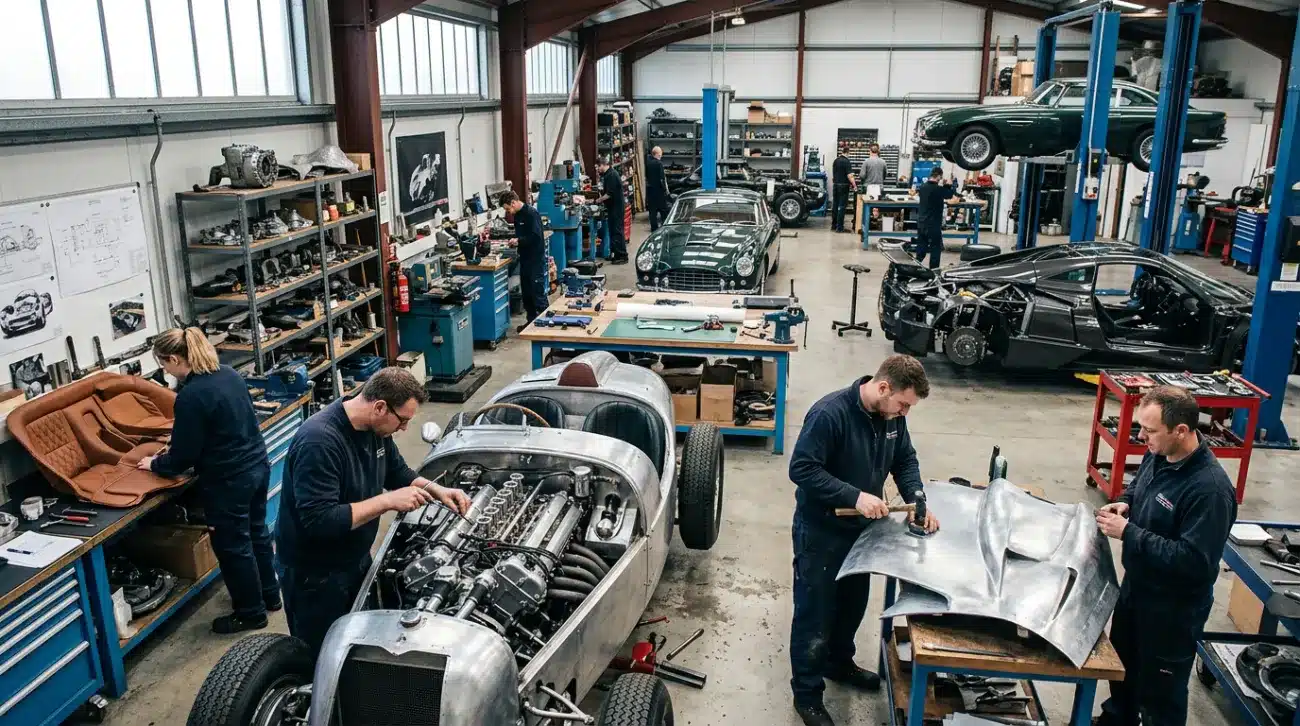
Several factors consistently appear in explanations of why these cars command their prices. Scarcity is the most obvious: a car built in a run of one, two or a few dozen cannot be replaced, and that limits supply regardless of demand. Provenance matters as well, particularly for historic cars, where documented ownership, racing history and factory connections can separate one example from another that looks identical.
Engineering and design add to the appeal. The 300 SLR drew on a racing program at a defining moment in motorsport, the 250 GTO combined a successful competition record with a celebrated shape, and modern coachbuilt cars emphasize hand-finished materials and design work tailored to a client. Condition and originality are also scrutinized, since a car that retains its original components is generally regarded as more desirable than one that has been heavily restored or modified.
There is also a financial dimension, as some buyers treat top-tier collector cars as assets as well as objects of enjoyment. That has contributed to strong interest in the segment, though values can fluctuate and past results do not guarantee future prices.
The Price of Automotive Rarity
The most expensive cars in the world are valuable for reasons that go well beyond speed or luxury, because each combines a scarce production run with a story that buyers consider worth owning, whether that story is a 1950s racing program, a grand touring legend of the early 1960s or a modern commission built around a single client. The Mercedes-Benz 300 SLR Uhlenhaut Coupé holds the highest publicly reported sale price, while Rolls-Royce and Bugatti lead the field for new cars made to order, and the details behind many of those prices remain reported rather than officially confirmed. For readers following the market, the most reliable approach is to separate records from commissions, note whether a number is confirmed or estimated, and expect the rankings to change whenever the next rare car comes up for sale.


