Automotive Guide · Used Car Buying
8 Reasons a Low-Mileage Used Car Isn’t Always the Best Deal
A small number on the odometer is only one part of a car’s story, and sometimes it hides the more important chapters.
Most shoppers instinctively treat a low-mileage used car as the safest bet on the lot, assuming that fewer miles automatically means less wear, fewer repairs and a longer life ahead. That logic is understandable, but it is incomplete. Mileage is simply one measure of how a vehicle has lived, and it says very little about age, storage, maintenance habits or the type of driving behind each mile. Understanding the following eight reasons can help buyers look beyond the odometer and judge a car by its full condition rather than a single headline number.
1. Low Mileage Often Carries a Price Premium You May Not Recoup

Sellers and dealers know that buyers prize low odometer readings, and asking prices commonly reflect that preference. A car with unusually few miles for its age is frequently priced above comparable examples that have been driven more. The premium can be reasonable if the car is genuinely well kept, but it becomes a poor trade if the extra money buys a number rather than demonstrable condition. Buyers who pay more for low mileage should ask what they are actually getting in return, such as a documented service history, a clean inspection result or remaining warranty coverage. Without those, the premium may simply be a markup on perception.
The premium can also work against you later. Resale value generally depends on condition, demand and mileage together, so the benefit of low mileage tends to shrink as you add miles of your own. If you plan to drive the car regularly, the advantage you paid extra for begins to disappear from the first week of ownership.
2. Vehicle Age Wears Out Parts Even When the Miles Are Few
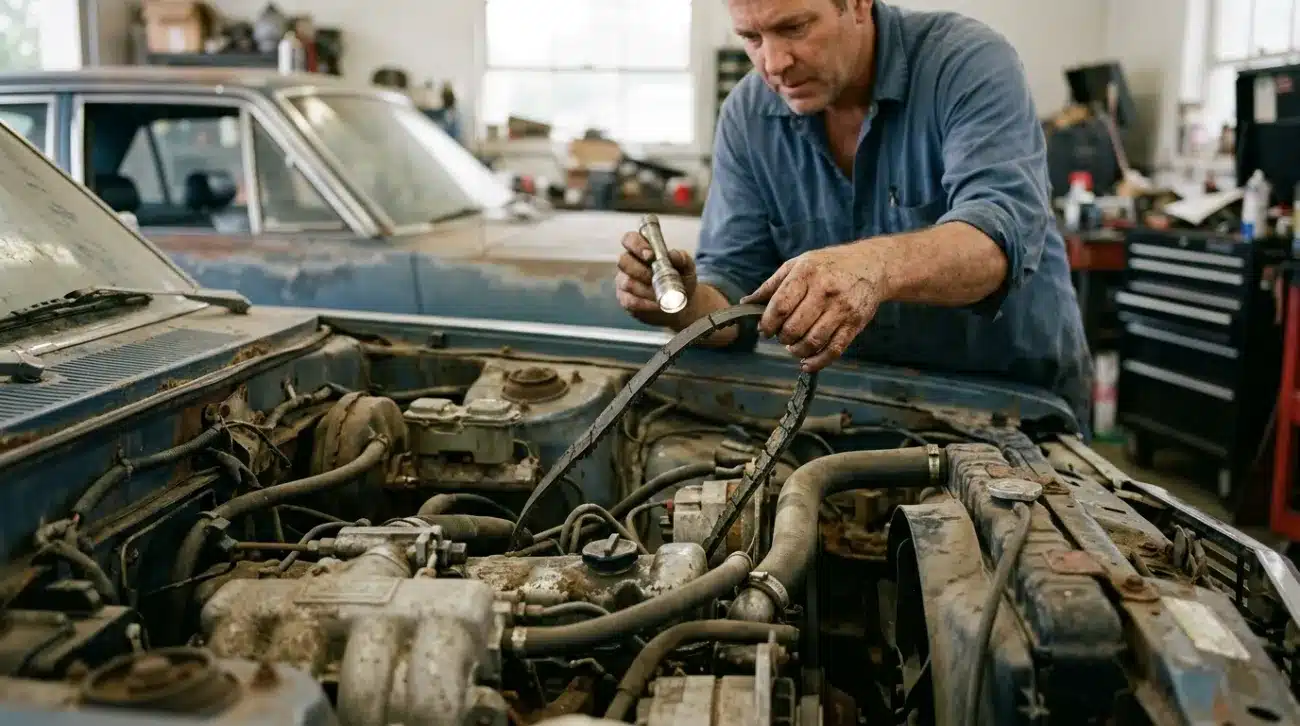
Cars do not only age by distance. Rubber hoses, belts, seals, bushings and gaskets are made of materials that harden, crack and degrade with time, heat and exposure to the elements. Fluids such as engine oil, brake fluid and coolant also break down over time, which is why manufacturers typically recommend replacing certain fluids and components on a time interval as well as a mileage interval. A ten-year-old car with very low mileage may therefore need the same age-related maintenance as a similarly aged car that has covered far more distance.
Buyers should check the owner’s manual maintenance schedule for the model in question and compare it against what has actually been done. If the car has reached a time-based service milestone, the cost of that work should be factored into the price, regardless of what the odometer shows.
3. Long Periods of Sitting Unused Can Cause Hidden Problems
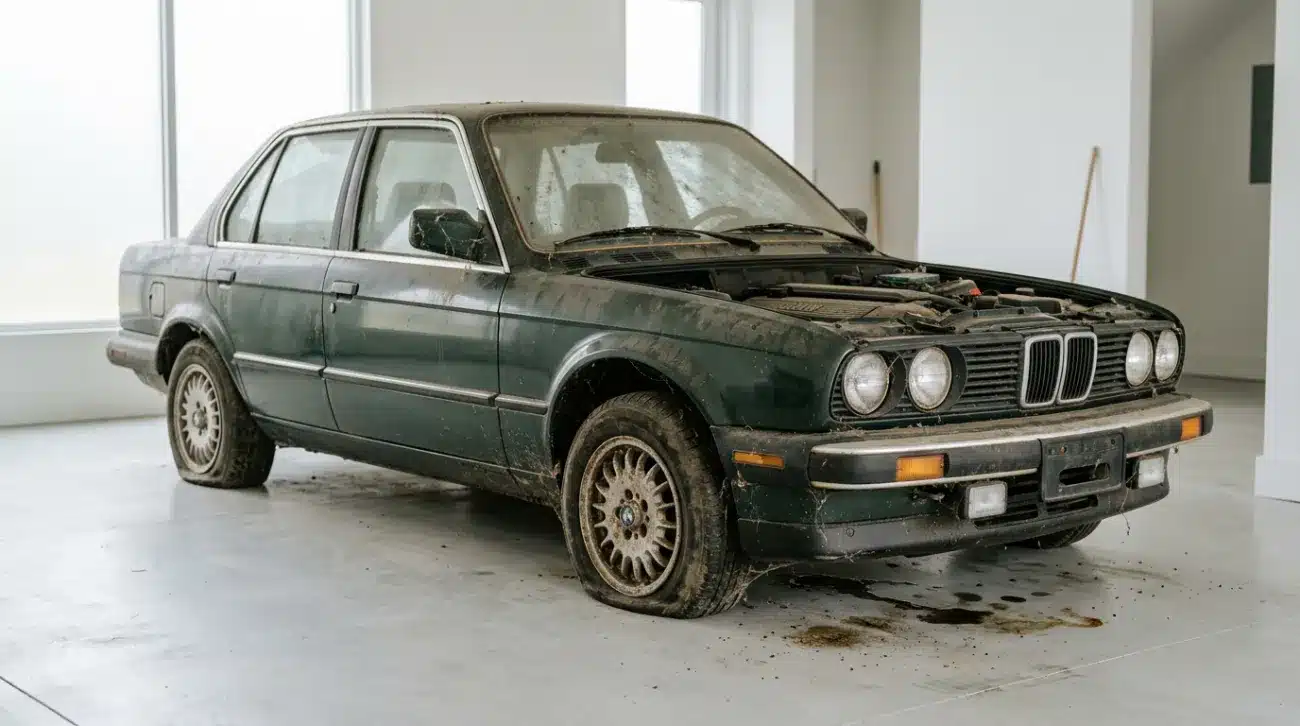
Many very low-mileage cars have low numbers because they were rarely driven, and a car that sits is not necessarily a car that is preserved. Batteries can lose charge and fail early when a vehicle is left idle. Tires can develop flat spots, brake components can corrode from lack of use, and fuel left in a tank for long periods can degrade. Seals and gaskets may dry out when they are not kept lubricated by regular circulation of oil, and moisture, rodents or pests can become an issue in poorly stored vehicles.
None of this means every garage-kept car is a problem. It does mean that a buyer should ask how the car was stored and used, and should look for signs of neglect such as musty odors, corrosion, worn-looking rubber or warning lights that appear shortly after startup.
4. Short Trips Can Be Harder on an Engine Than Highway Miles
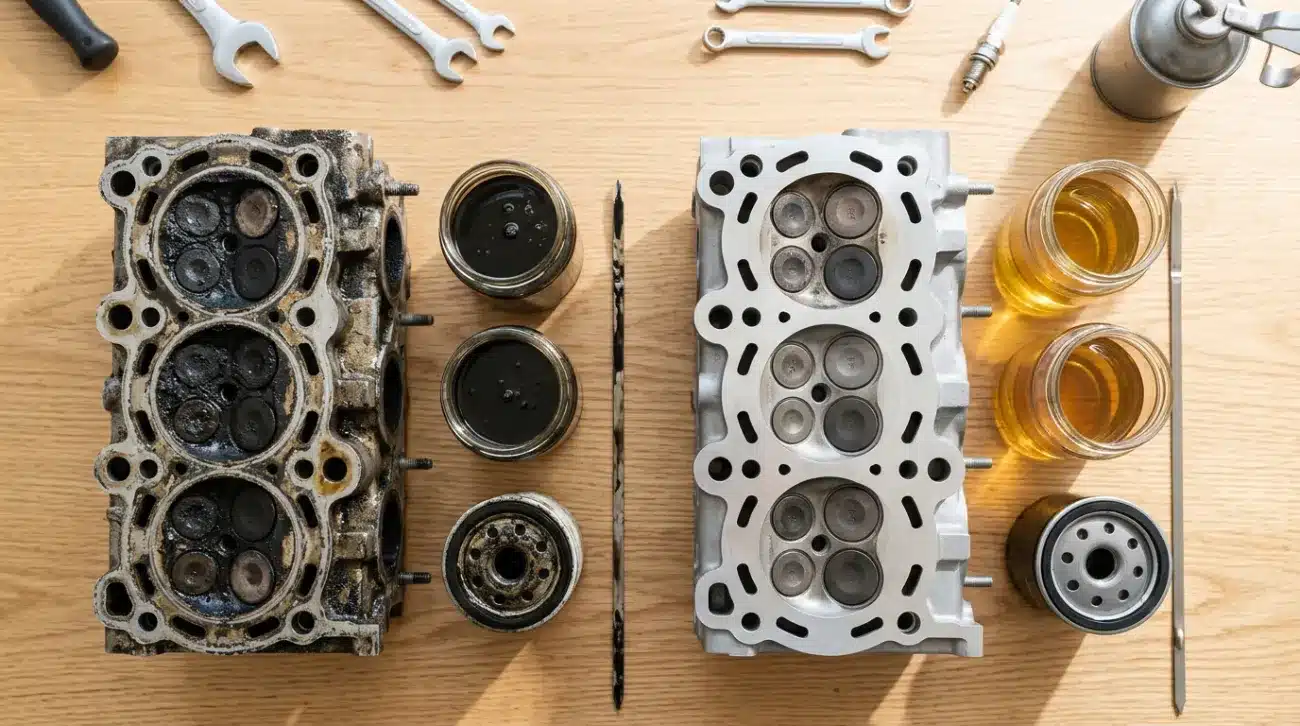
How a car accumulates miles matters as much as how many it has. Automotive guidance commonly notes that repeated short trips, where the engine rarely reaches full operating temperature, can be tougher on a vehicle than steady highway driving. Moisture and fuel residue can build up in the engine and exhaust system when they are not fully warmed, and stop-and-go use puts repeated stress on brakes, transmissions and suspension components.
A car with low mileage that has spent its life on brief urban errands may therefore have more wear than the number implies. By contrast, a car with higher mileage built up mostly on open roads may have experienced steadier operating conditions. The odometer cannot distinguish between the two, which is why the driving history of the previous owner is worth asking about.
Contextual breakdown (editorial categorization, not measured data)
What mileage tells you
A rough indication of how far the car has traveled and how much its moving parts may have been used.
What mileage hides
Age, storage conditions, driving style, trip length and whether maintenance was actually performed.
What to verify instead
Service records, a vehicle history report, a professional inspection and the condition of age-sensitive parts.
5. Missing Service Records Undermine the Value of a Low Odometer Reading
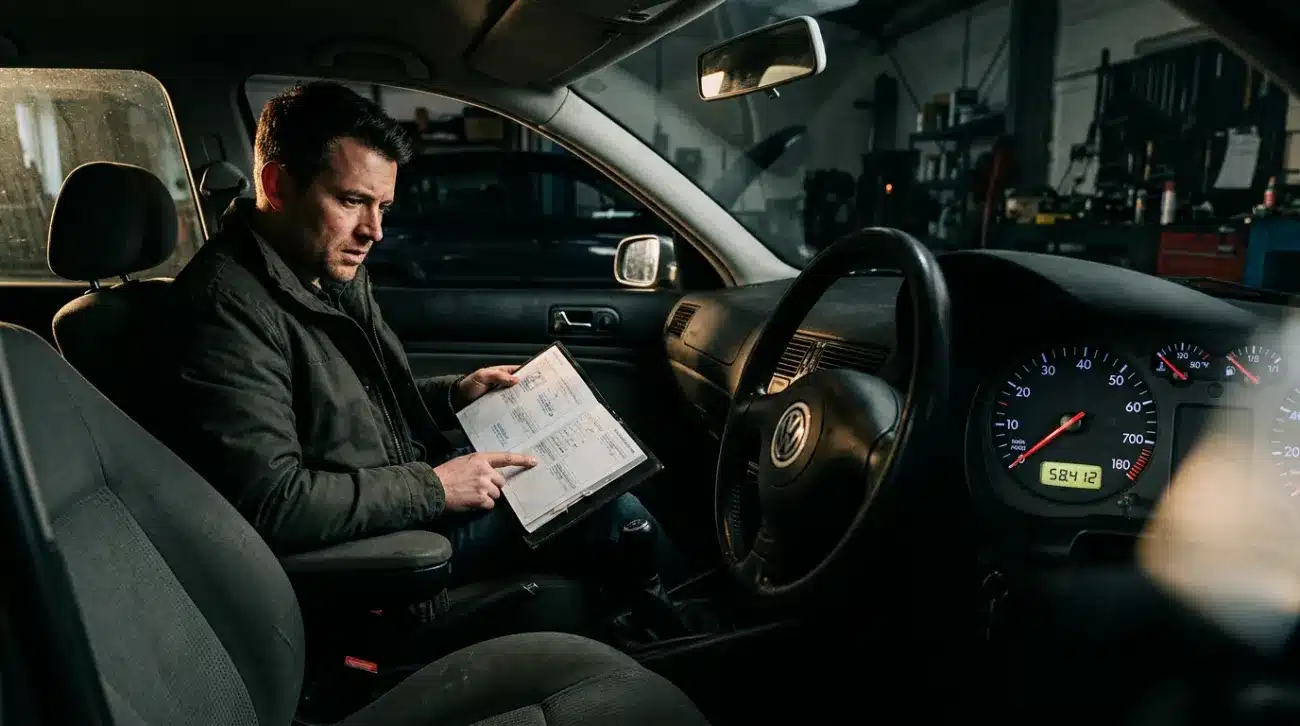
A low-mileage car without maintenance records is a question mark, while a higher-mileage car with a complete paper trail can be a far safer purchase. Regular oil changes, timely replacement of wear items and documented repairs show that an owner took care of the vehicle. Without that evidence, buyers are left to assume the work was done, which is a risky assumption on any used car.
Some low-mileage cars are owned by people who drive so little that they skip routine service altogether, reasoning that the car has hardly been used. Because oil and other fluids degrade with time, that approach can leave an engine in worse condition than the odometer suggests. Asking for receipts and checking for consistent servicing is one of the most useful steps a buyer can take.