

Things You Should Never Do at a Gas Station
Essential safety practices every driver needs to know when refueling their vehicle
Gas stations are such routine stops for most drivers that we rarely give much thought to the potential hazards surrounding us. Yet these fueling locations contain highly flammable materials and present unique safety considerations that deserve our attention. Understanding the things you should never do at a gas station can prevent accidents, protect your vehicle, and keep both you and other customers safe. From common mistakes that seem harmless to genuinely dangerous behaviors, there are several practices that every motorist should actively avoid when stopping to refuel.
Using Your Cell Phone While Pumping Fuel
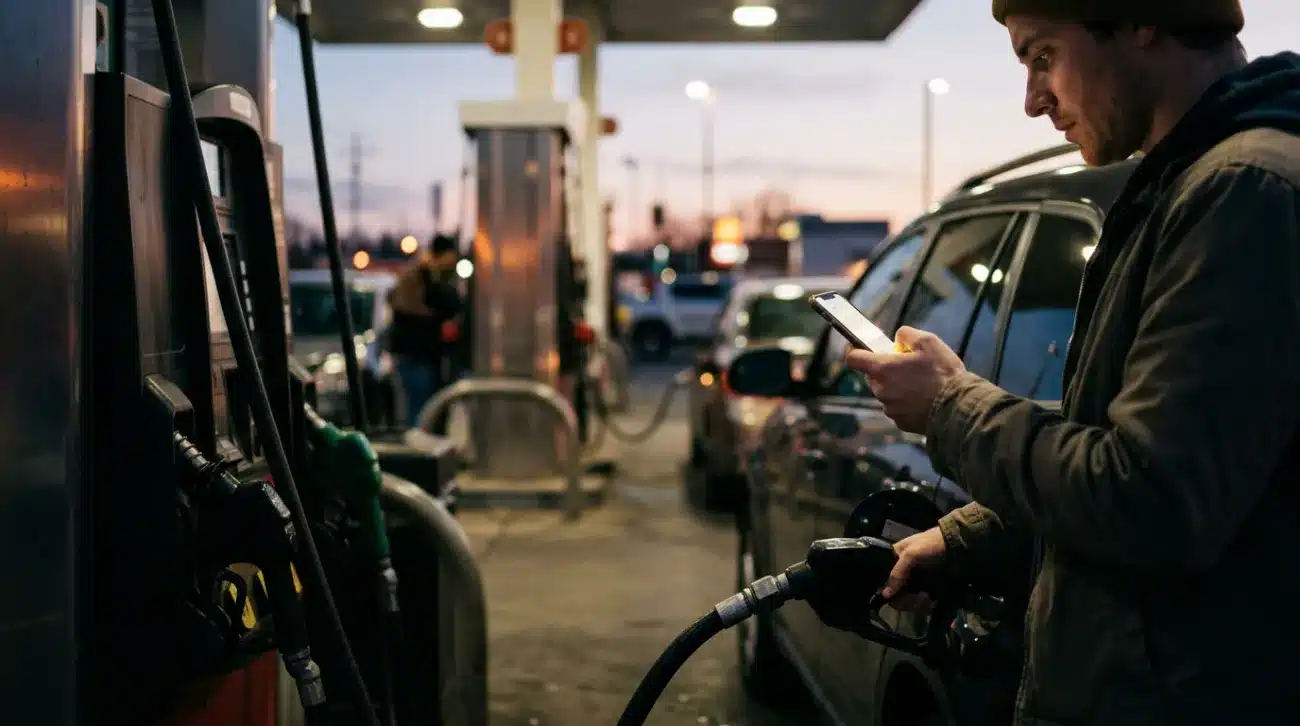
The debate about cell phone use at gas stations has persisted for years, with warning signs posted at nearly every fueling location. While the actual risk of a cell phone igniting gasoline vapors through normal operation is considered extremely low by fire safety researchers, the practice remains prohibited at most stations. The concern stems from the theoretical possibility that a malfunctioning battery or electrical component could produce a spark. More practically, using your phone while fueling diverts your attention from the pumping process, potentially causing you to miss spills or other issues that require immediate response.
Beyond the fire risk discussion, distracted fueling leads to other problems. Drivers who are absorbed in their phones may overfill their tanks, fail to notice fuel dripping onto their clothing or shoes, or inadvertently leave the nozzle engaged when they attempt to drive away. Staying alert and focused during the relatively brief time it takes to refuel your vehicle is simply good practice, regardless of the specific fire risk associated with electronic devices.
Smoking or Using Open Flames Near Fuel Pumps
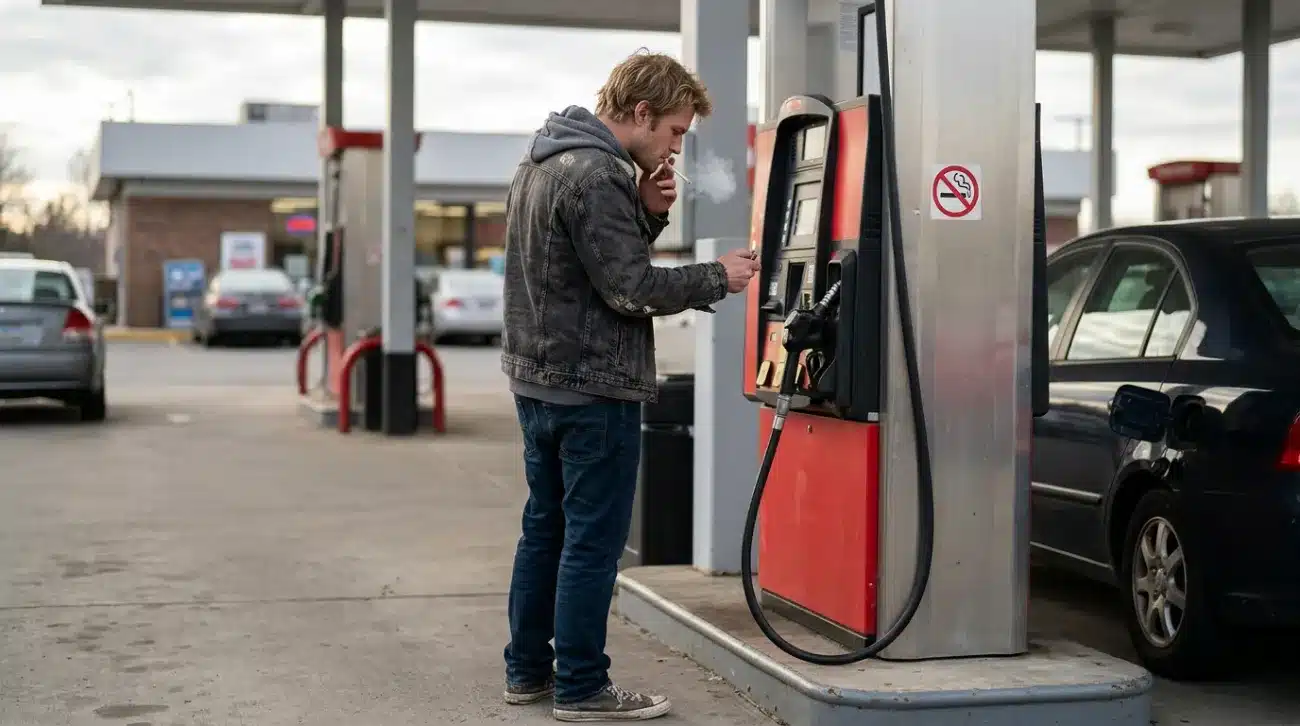
This prohibition might seem obvious, but violations still occur with troubling regularity. Smoking anywhere in a gas station forecourt creates a genuine fire hazard that cannot be overstated. Gasoline vapors can travel significant distances from the pump itself, and a lit cigarette, lighter, or match provides exactly the ignition source needed to start a fire or trigger an explosion. The consequences of such incidents can be catastrophic, resulting in severe burns, fatalities, and massive property damage.
The same principle applies to any open flame or spark-producing activity. Lighting candles, using butane lighters for any purpose, or striking matches should never occur within the fueling area. Even seemingly minor sources of ignition can interact unpredictably with fuel vapors, especially on hot days when evaporation rates are higher or in partially enclosed canopy areas where vapors can concentrate.
Getting Back Into Your Vehicle During Fueling
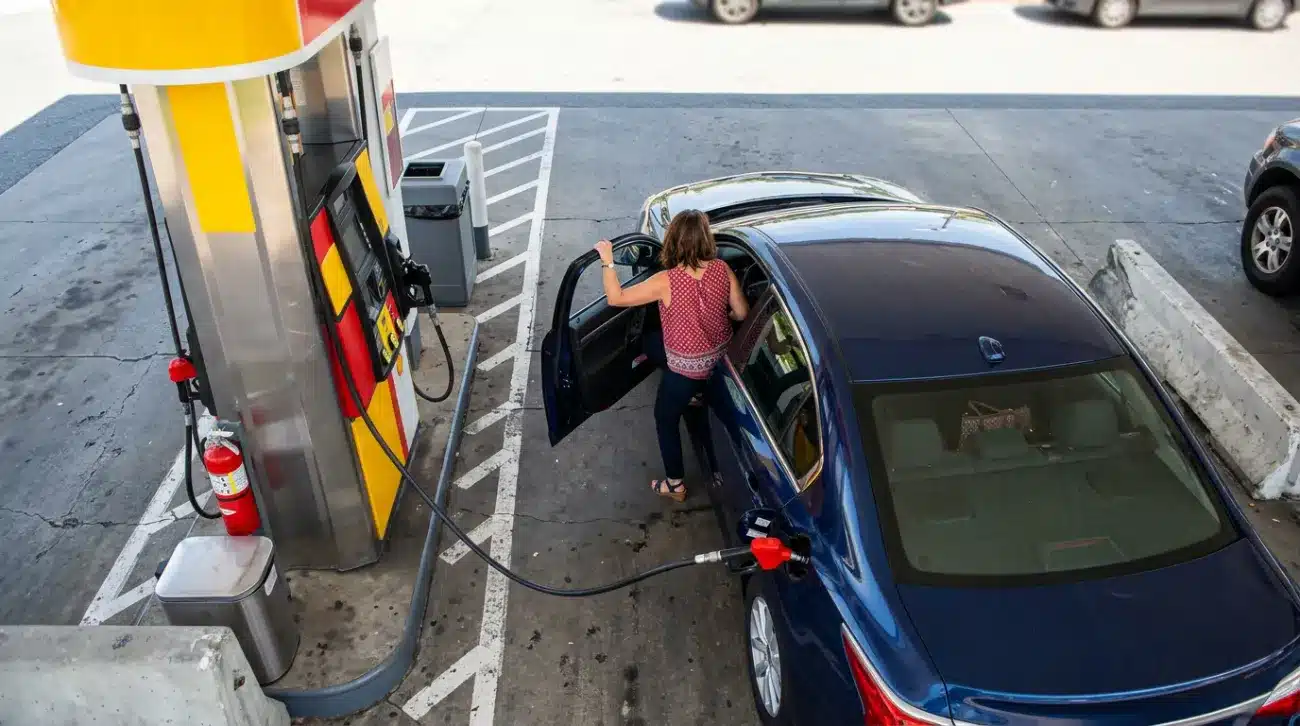
One of the most underappreciated dangers at the gas station involves the buildup of static electricity. When you slide across your vehicle’s seats, particularly in dry weather conditions or when wearing synthetic fabrics, your body can accumulate a significant static charge. If you then touch the fuel nozzle without first discharging this static electricity, a spark can jump from your hand to the metal nozzle, potentially igniting fuel vapors present around the filling point.
Fire safety organizations have documented numerous incidents where static discharge caused fires at fuel pumps, and the common thread in many of these cases was the driver returning to their vehicle during the fueling process. If you must re-enter your vehicle for any reason while fuel is flowing, you should always touch a metal surface away from the filling area before touching the nozzle again. Better yet, simply remain outside your vehicle for the duration of the fueling process, which typically takes only a few minutes.
Overfilling Your Fuel Tank Beyond the Automatic Shutoff
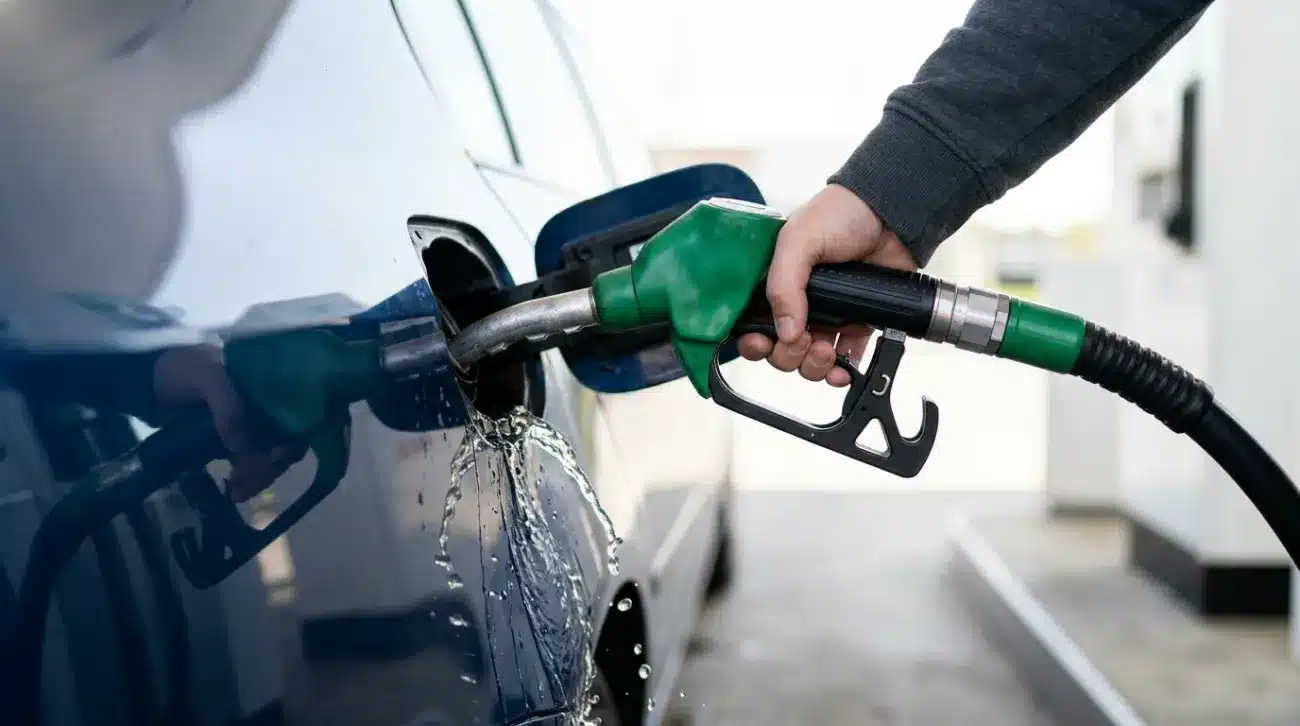
Modern fuel pumps include automatic shutoff mechanisms designed to stop the flow of fuel when your tank reaches capacity. Some drivers habitually continue adding fuel after this shutoff engages, attempting to round up to an even dollar amount or squeeze in a bit more fuel. This practice, often called topping off, creates several problems that extend beyond simple wastefulness.
Vehicles are engineered with vapor recovery systems and expansion space within the fuel tank to accommodate fuel expansion as temperatures change. When you overfill the tank, fuel can enter these vapor recovery systems, potentially damaging components and causing the check engine light to illuminate. Additionally, excess fuel may spill onto the ground, creating environmental contamination and wasting money. The fuel you force in after the automatic shutoff often ends up being drawn back out by the station’s vapor recovery system anyway, meaning you pay for fuel that never actually enters your tank.
Leaving Your Engine Running While Pumping Gas
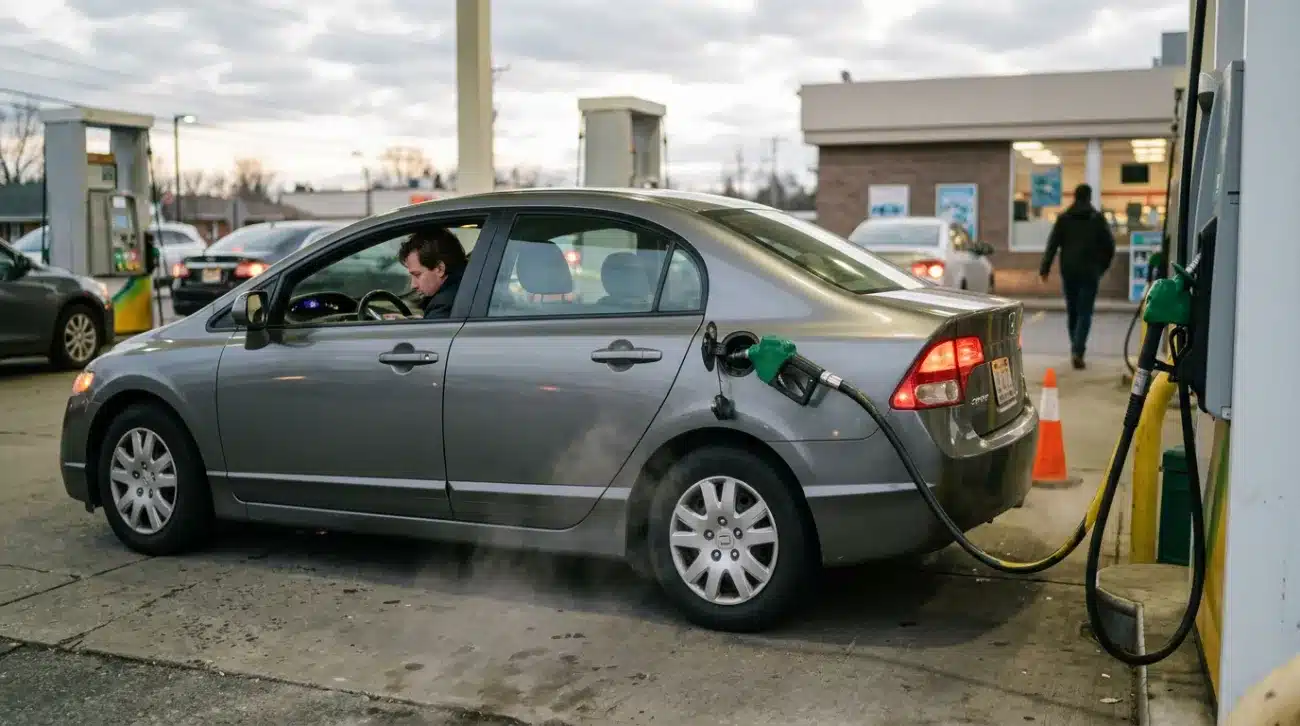
While the actual fire risk from a properly functioning vehicle’s engine igniting fuel vapors is relatively low, keeping your engine running during refueling violates safety regulations at gas stations across most jurisdictions. The rationale behind this rule involves multiple factors beyond direct ignition risk. A running engine means the electrical system remains fully active, and any malfunction or short circuit could theoretically produce sparks. The exhaust system also remains hot and could potentially ignite spilled fuel in an unusual circumstance.
Perhaps more practically, leaving the engine running while fueling can result in accidents if the vehicle is accidentally put into gear. It also prevents you from being fully aware of your surroundings and ready to respond to emergencies. Taking thirty seconds to turn off your engine and remove your keys from the ignition is a simple safety precaution that eliminates multiple potential risk factors simultaneously.
Filling Unapproved Containers or Portable Tanks
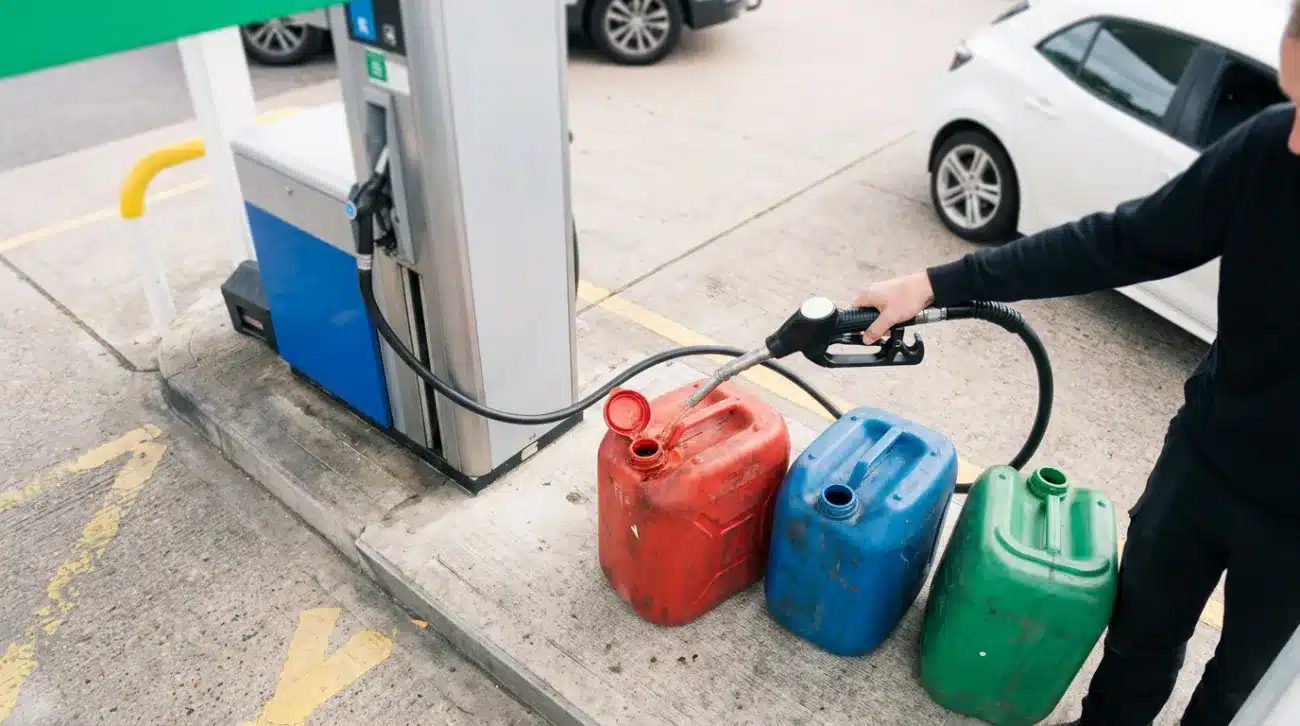
Gasoline should only be dispensed into approved containers specifically designed for fuel storage. These containers are typically made of appropriate materials, colored red for easy identification, and equipped with proper venting and sealing mechanisms. Attempting to fill glass containers, plastic bottles, grocery bags, or other improvised receptacles creates extreme danger. Glass can shatter from thermal shock or impact, while non-approved plastics may dissolve when exposed to gasoline or fail to contain vapors properly.
Even when using approved portable fuel containers, proper technique matters. These containers should always be placed on the ground during filling, never in a vehicle trunk or truck bed. The insulating effect of plastic bed liners or carpeted trunk areas prevents static discharge, creating the same ignition risk discussed with vehicle re-entry. Ground the container, maintain contact between the nozzle and the container’s opening, and fill slowly to minimize static buildup and vapor release.


