Hidden Car Features Most Drivers Never Realize They Have
Your vehicle likely contains dozens of useful functions buried in menus, behind buttons, or simply never explained in the owner’s manual.
Modern automobiles are marvels of engineering, packed with technology and thoughtful design elements that extend far beyond basic transportation. Yet despite spending significant time behind the wheel, most drivers remain unaware of the many hidden car features built into their vehicles. From fuel efficiency indicators to emergency safety mechanisms, these overlooked functions can enhance convenience, improve safety, and even save money. Automakers invest considerable resources into developing these features, but the sheer volume of technology in contemporary vehicles means many capabilities go undiscovered by their owners. Whether you drive a budget-friendly compact or a luxury sedan, chances are your car possesses useful functions you have never explored or even knew existed.
Fuel Door Indicator and Tank Orientation Secrets
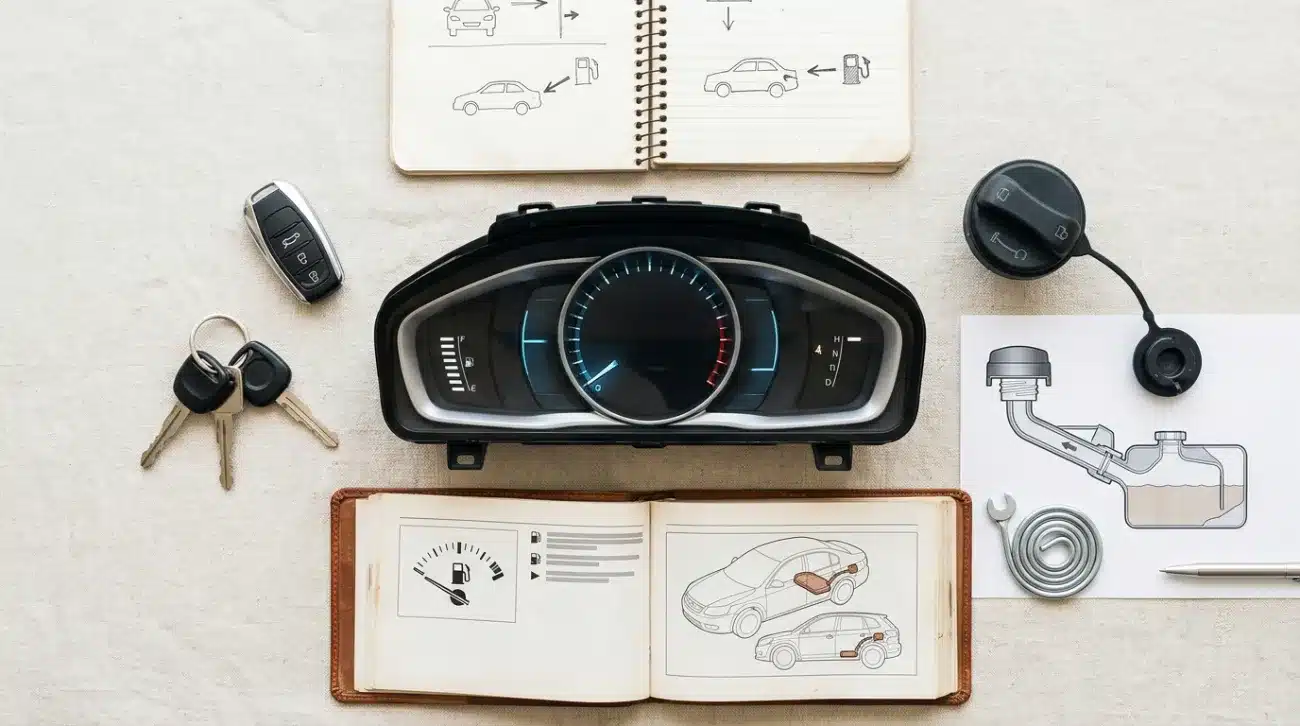 One of the most universally helpful yet commonly overlooked features in modern vehicles is the fuel door indicator arrow located on the dashboard fuel gauge. This small triangular symbol points to the side of the vehicle where the fuel door is located, eliminating the guesswork when pulling into an unfamiliar gas station or driving a rental car. The feature has been standard in most vehicles for decades, yet surveys consistently show that a significant percentage of drivers have never noticed it.
Beyond the indicator arrow, many vehicles also feature fuel doors designed with additional convenience elements. Some models include capless fuel systems that eliminate the need for a traditional gas cap, reducing the chance of leaving the cap behind at a filling station. Others incorporate slow-fill funnels or emergency release mechanisms accessible from inside the trunk area, which can prove invaluable if the external fuel door release malfunctions.
The fuel door indicator arrow became widespread in vehicles during the 1990s, though some manufacturers had implemented similar systems earlier. Today, it appears in virtually all passenger vehicles regardless of price point or brand origin.
Hidden Key Functions and Emergency Access Features
Modern key fobs contain capabilities that extend well beyond simple locking and unlocking. Many vehicles allow drivers to roll down all windows simultaneously by pressing and holding the unlock button on the remote, a feature particularly useful for venting a hot car before entry during summer months. Conversely, holding the lock button on certain models will roll up all windows and close the sunroof, providing a convenient way to secure the vehicle when walking away.
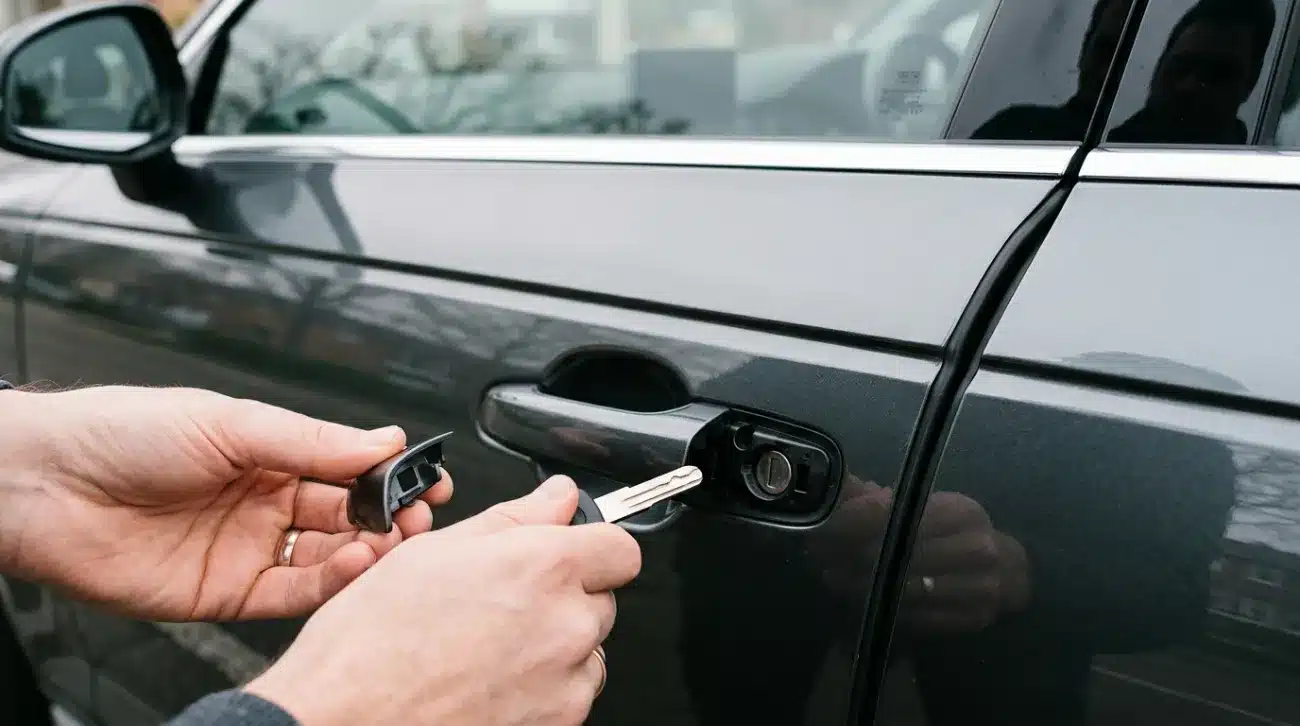
Within most modern key fobs lies a hidden physical key blade designed for emergency access. This mechanical key can be released by pressing a
small button or sliding a release mechanism on the fob itself. The physical key allows entry through the driver’s door lock cylinder when the fob battery dies or electronic systems fail. Additionally, many push-button start vehicles have a backup starting procedure where placing the dead fob directly against the start button or a designated spot on the steering column allows the vehicle to recognize the fob and start normally.Hold the unlock button to open windows, or the lock button to close them from outside the vehicle.
A mechanical key blade inside most fobs provides emergency access when batteries fail.
The panic alarm can help locate your vehicle in crowded parking areas by activating horn and lights.
Place a dead fob against the start button to engage short-range communication and start the engine.
Rearview Mirror Day and Night Modes Explained
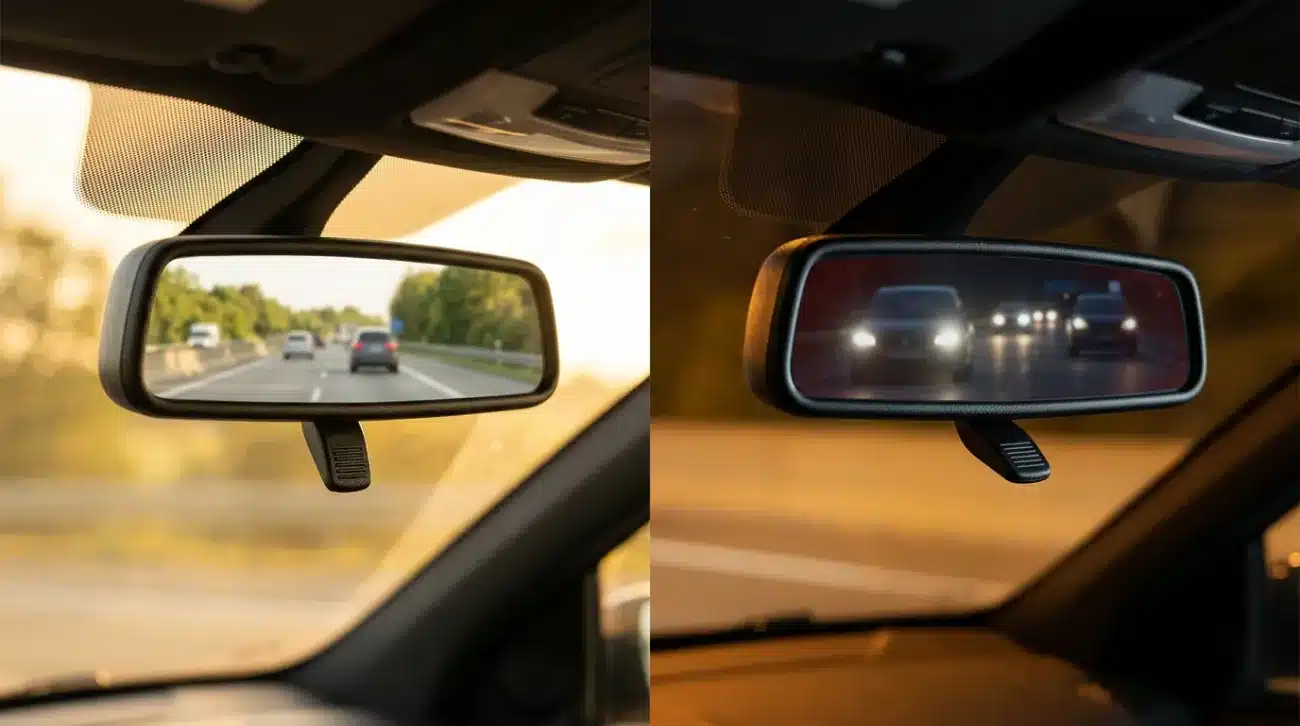
The small tab or lever located on the bottom edge of most rearview mirrors serves a crucial safety function that many drivers have never utilized. This mechanism activates the mirror’s night mode, which reduces glare from headlights of vehicles behind you during nighttime driving. When flipped to the night position, the mirror angle changes slightly to reflect a dimmer image, protecting your eyes from the blinding effect of high beams or bright headlights.
Many newer vehicles feature auto-dimming rearview mirrors that perform this function automatically through electrochromic technology. These mirrors contain sensors that detect bright light from behind and gradually darken the mirror surface in response. When the trailing light source diminishes, the mirror returns to its normal reflective state. This technology has increasingly become standard equipment across various vehicle segments, though the manual tab remains present in many entry-level and older vehicles.
Interior Storage Compartments and Hidden Spaces
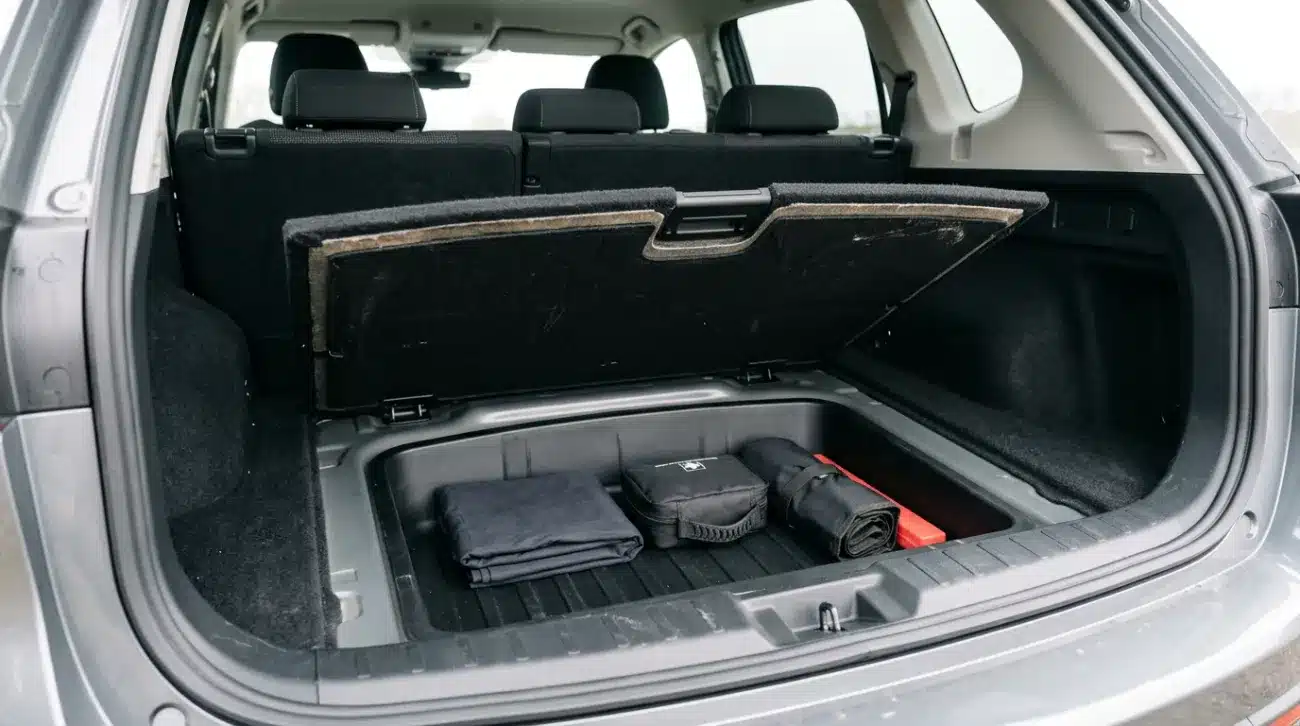
Vehicle designers incorporate numerous storage solutions that often escape notice by owners. Many vehicles feature hidden compartments beneath the cargo area floor, originally intended to house spare tires or repair kits but often suitable for securing valuables out of sight. Some models include additional storage bins beneath rear seat cushions, accessible by lifting the seat bottom upward.
Center console designs frequently include layers of storage that owners never fully explore. Double-decker compartments, removable organizers, and sliding panels can reveal substantial additional space. Glove compartments sometimes contain secondary smaller compartments within them, and some vehicles feature storage pockets built into the sides of the cargo area or integrated into door panels in ways that blend seamlessly with interior trim.
The owner’s manual remains the most comprehensive resource for discovering your vehicle’s full feature set. Many manufacturers now offer digital versions through smartphone apps or their websites, making it easier to search for specific functions. Taking time to review the manual systematically often reveals features that would otherwise go unnoticed for years.
Adjustable Steering Wheel and Seat Memory Positions
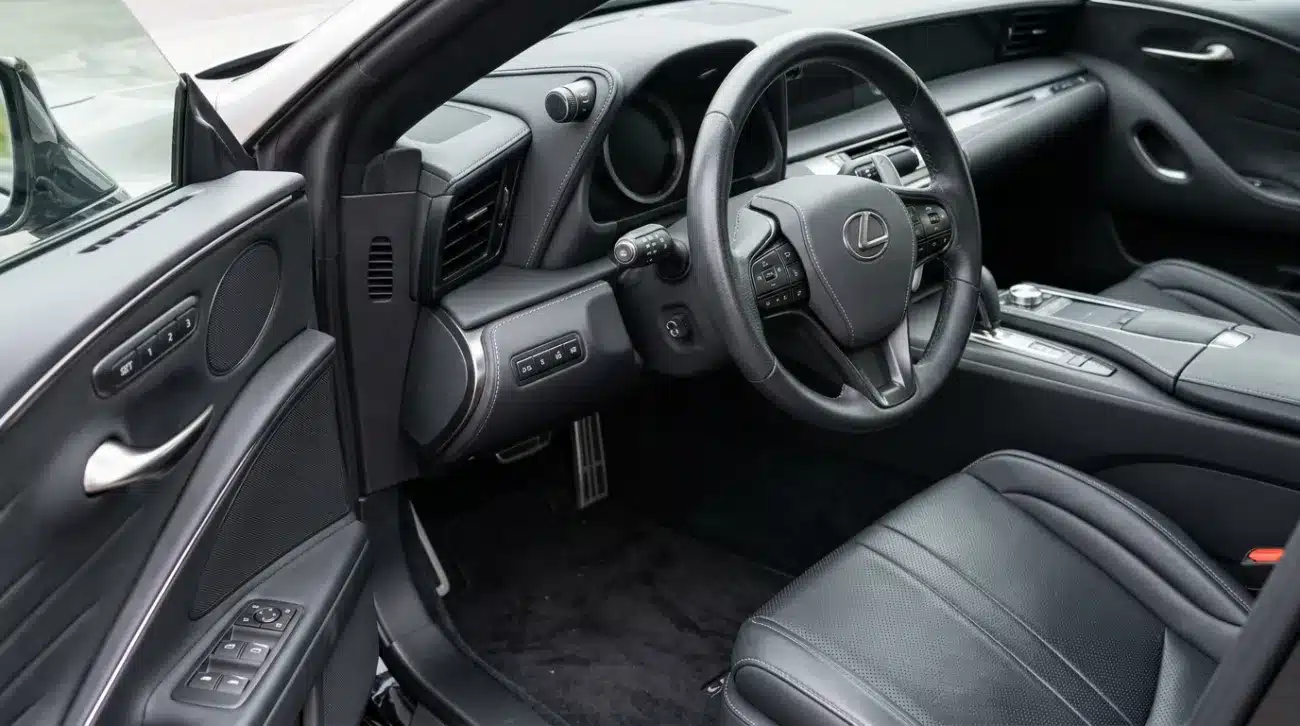
While most drivers know their steering wheel can move up and down, many overlook the telescoping function that allows the wheel to move toward or away from the driver. This adjustment is essential for achieving proper driving position and airbag safety distance. The lever or switch controlling this function is typically located beneath the steering column and allows for substantial range of movement in both vertical and horizontal planes.
Vehicles equipped with power seats often include memory position functionality that drivers never configure. These systems can store preferred positions for the seat, mirrors, and sometimes steering wheel, then recall them with a single button press. In households where multiple drivers share a vehicle, programming individual memory positions eliminates the daily task of readjusting everything manually. Many vehicles link these memory settings to specific key fobs, automatically adjusting the cabin to the driver’s preferences when the corresponding fob is used to unlock the vehicle.