

Leaving Children or Pets Unattended in Vehicles
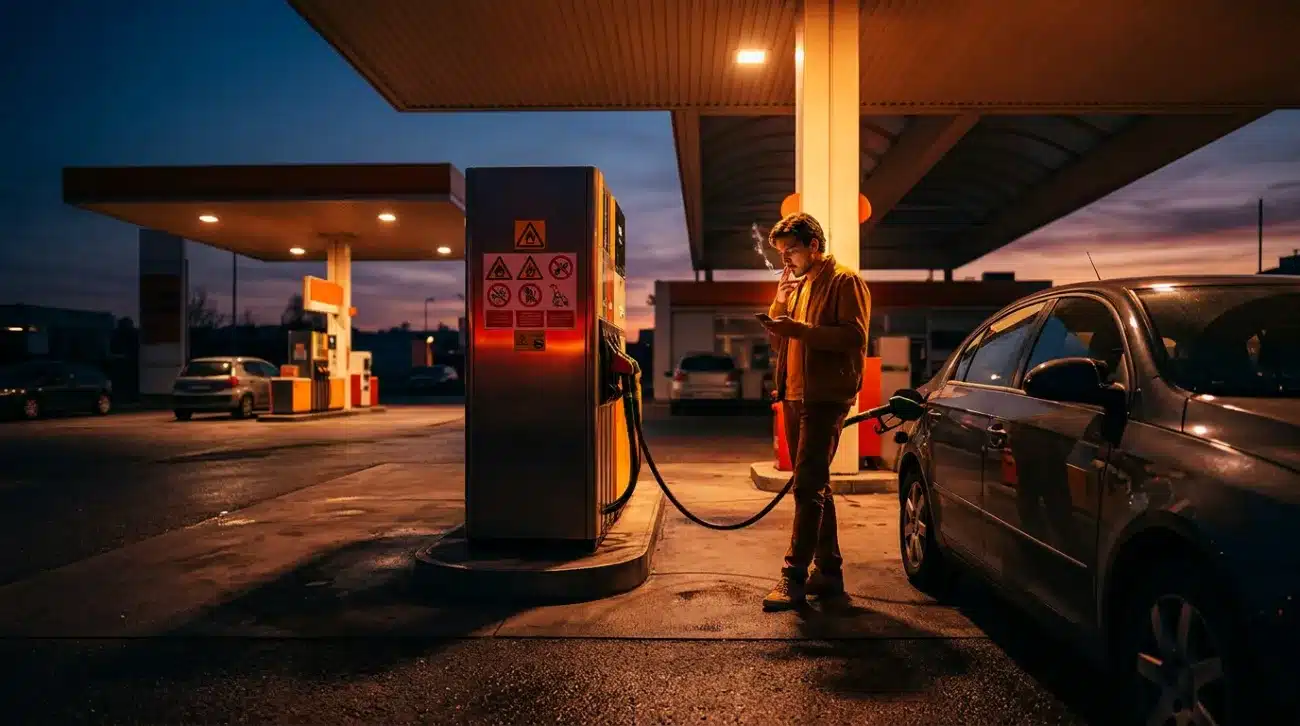
While this safety concern extends beyond gas stations specifically, the fueling stop represents a particularly dangerous time to leave vulnerable occupants alone in a vehicle. The few minutes required to pump gas and potentially enter the store can be enough time for interior temperatures to rise dramatically, creating life-threatening conditions for children and animals. Even on moderate days, vehicle interiors can reach dangerous temperatures rapidly when exposed to direct sunlight.
Beyond temperature concerns, unattended children may accidentally release parking brakes, shift vehicles into gear, or exit the vehicle into a busy fueling area with moving traffic. Gas stations represent complex environments with multiple hazards, from moving vehicles to fuel spills to strangers. Keeping children and pets with you or having another adult remain with them in the vehicle with the engine running and climate control active when temperatures demand it represents the only responsible approach.
Ignoring Posted Safety Instructions and Warnings
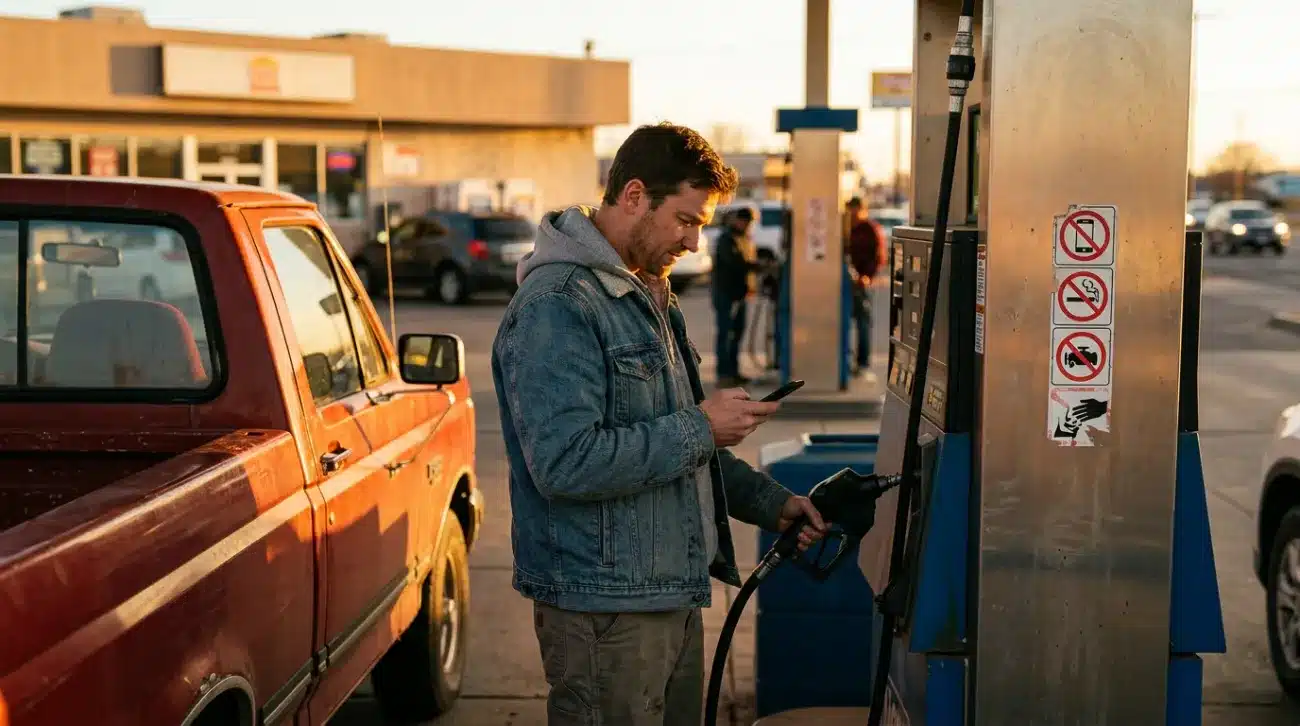
Gas stations display safety signage for important reasons, yet many drivers barely glance at these warnings. Instructions regarding engine shutdown procedures, static discharge, prohibition of smoking and open flames, and emergency shutoff locations provide critical information that could prevent accidents or help you respond effectively if something goes wrong. Familiarizing yourself with the location of emergency shutoff switches at stations you frequent regularly could prove invaluable in an emergency situation.
Different stations may have slightly different layouts or specific requirements based on local regulations or equipment configurations. Taking a moment to observe your surroundings when you arrive at an unfamiliar station helps you identify potential hazards, locate emergency equipment, and understand any station-specific procedures. This awareness becomes second nature once you make it a habit and takes very little additional time.
Driving Away With the Nozzle Still Attached
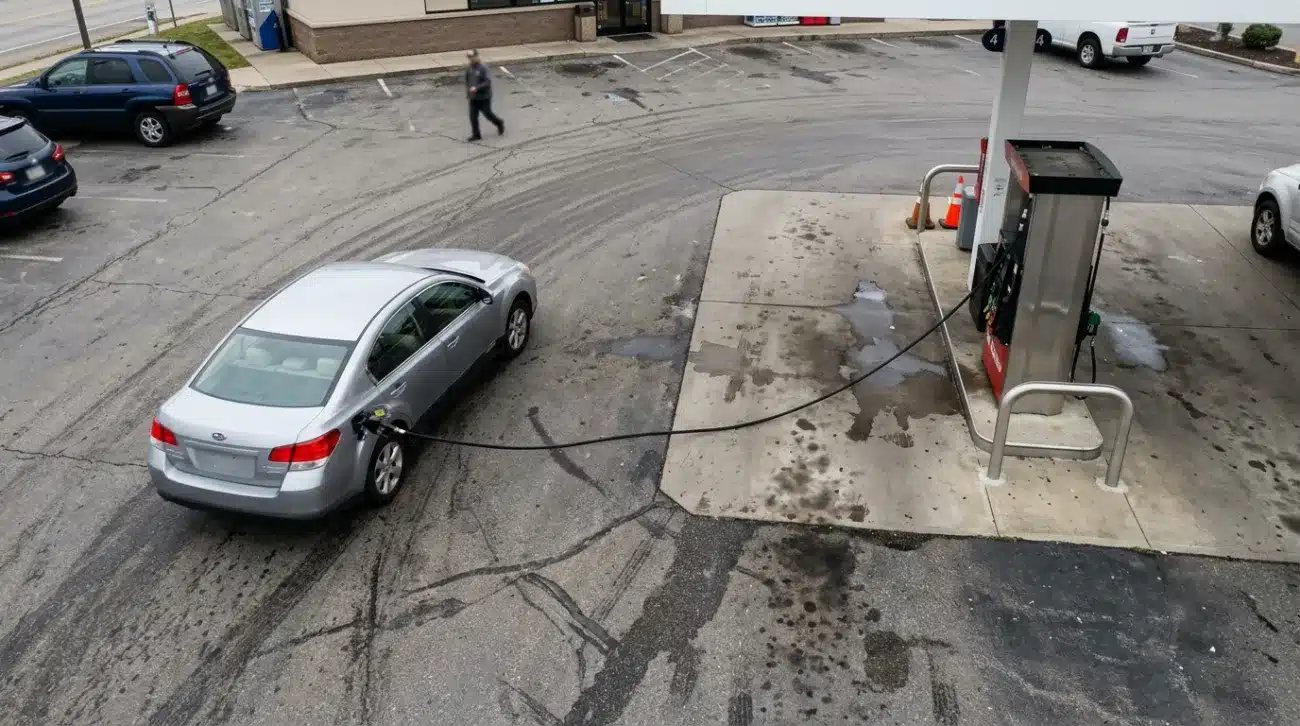
Despite appearing almost comical when it happens, driving away with the fuel nozzle still inserted in your vehicle occurs with surprising frequency and creates genuine safety hazards. Modern fuel dispensers include breakaway fittings designed to separate relatively safely when this occurs, limiting fuel spillage and preventing the dispenser from being pulled over. However, these safety features do not eliminate all risk, and significant spills can still occur depending on how the breakaway valve functions.
The distraction-related causes of drive-offs parallel those of other safety violations discussed here. Drivers who return to their vehicles while fueling, use phones, or simply fail to complete a mental checklist before departing are most likely to forget the nozzle remains in their fuel port. Beyond the immediate hazard, drive-offs damage equipment, create cleanup requirements, and may result in liability for the driver. A simple final check before starting your engine takes only seconds and prevents this embarrassing and potentially dangerous mistake.
Maintaining Vigilance at the Pump
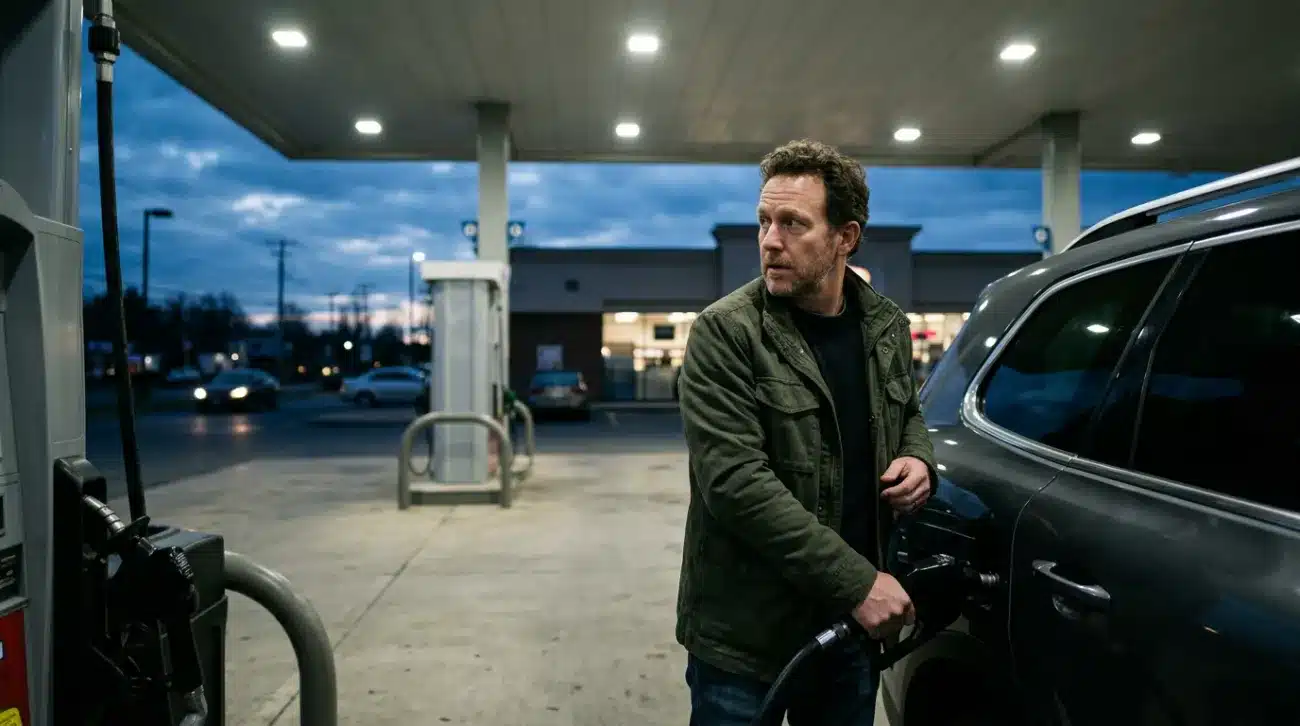
The routine nature of filling up our vehicles can lull us into complacency about the genuine hazards present at every gas station. Gasoline remains a highly flammable substance that demands respect and careful handling, regardless of how many times we have pumped fuel without incident. By avoiding the dangerous behaviors outlined here, from distracted fueling and static discharge risks to overfilling and improper container use, we protect ourselves, our passengers, and our fellow customers. The few minutes spent at the pump deserve our full attention, and the simple safety practices recommended by fire safety organizations require minimal effort while providing significant protection against potentially catastrophic outcomes.


