6. Odometer Fraud and Inaccurate Readings Remain a Risk
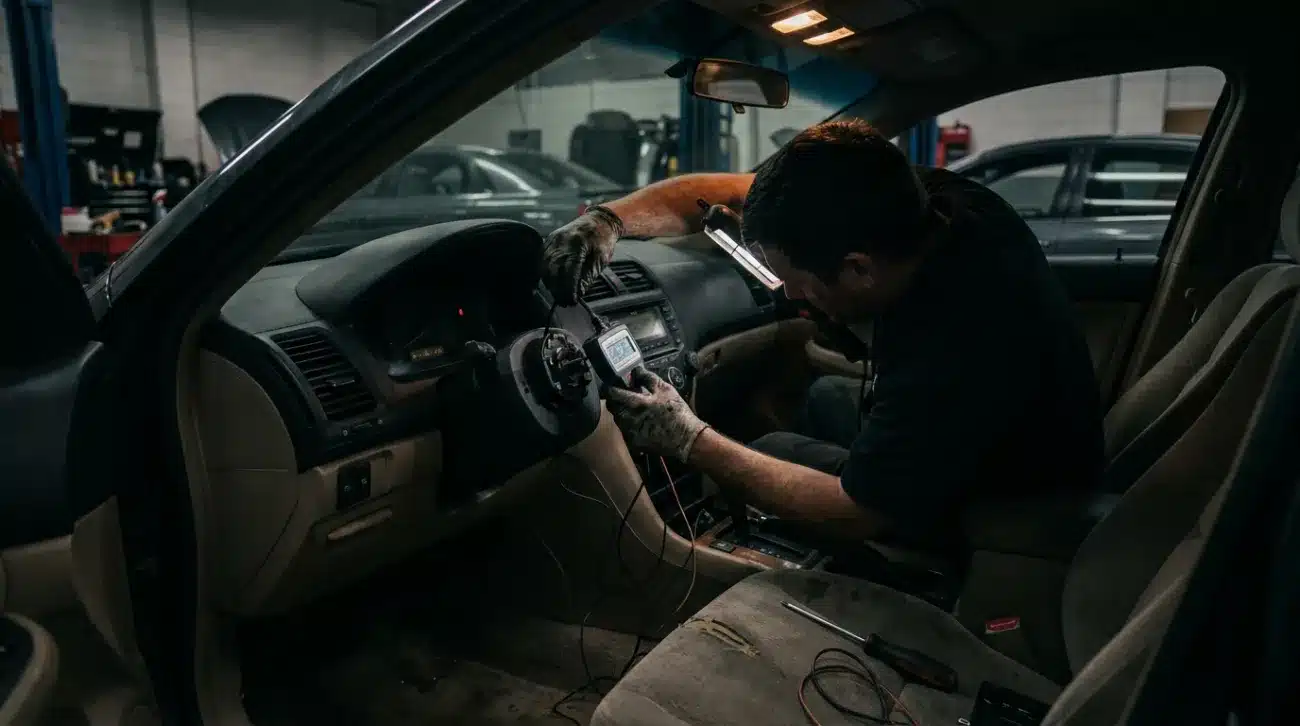
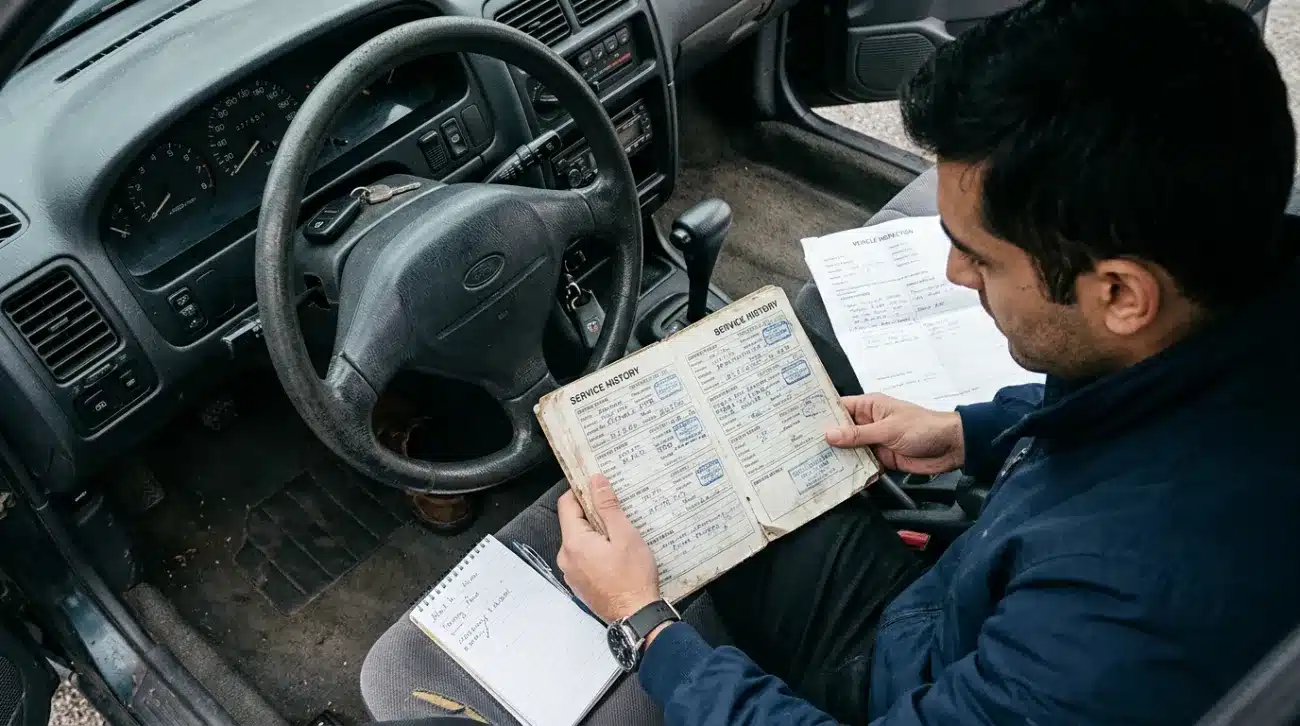
Odometer tampering is a recognized form of fraud, and consumer protection agencies and automotive organizations regularly warn used car buyers to be cautious about it. A suspiciously low reading on an older vehicle can be a red flag, particularly if the interior wear, such as a sagging driver’s seat, worn pedals or a frayed steering wheel, does not match the number displayed. Replacement instrument clusters and other repairs can also complicate how a reading should be interpreted.
Buyers can reduce this risk by obtaining a vehicle history report and comparing recorded mileage across inspections, title records and service visits. A pre-purchase inspection by an independent mechanic adds another layer of protection, because physical wear on the car often tells a more reliable story than the digital display.
7. Warranty Coverage May Have Expired Despite the Low Miles

Manufacturer warranties generally include both a time limit and a mileage limit, and coverage ends when either is reached. A low-mileage car that is several years old may have passed the time limit even though it is well under the mileage limit, leaving the buyer with no factory coverage at all. Shoppers who assume that low miles mean remaining protection can be caught off guard by repair bills that a warranty would once have covered.
Before buying, it is worth confirming the original in-service date, reading the terms of any remaining coverage and asking whether a certified pre-owned program applies. Those programs have their own eligibility rules, which vary by manufacturer, so the details should be verified directly rather than assumed.
8. A Well-Maintained Higher-Mileage Car Can Be the Smarter Value
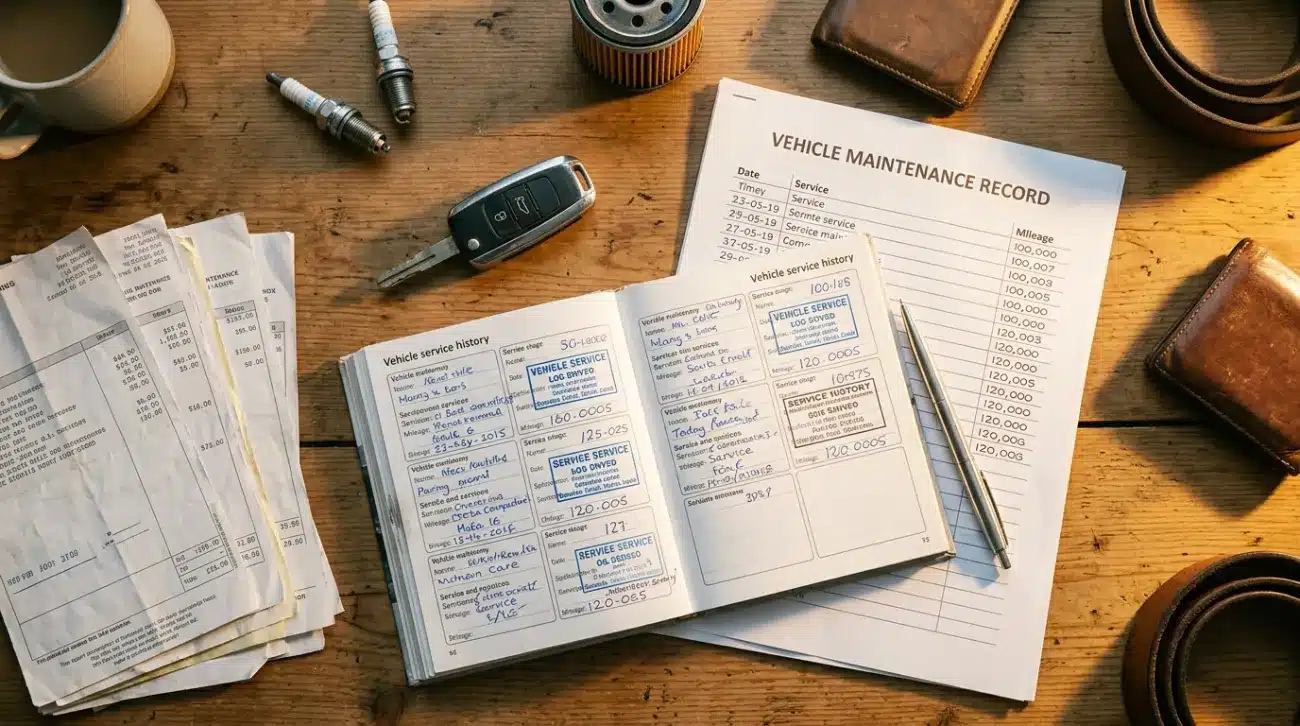
Modern vehicles are generally built to last well beyond the distances that once seemed like a ceiling, provided they are properly maintained. That makes a carefully serviced car with higher mileage a legitimate alternative to a pricier low-mileage example. If the higher-mileage car has complete records, a clean inspection and a lower price, the savings can fund replacement of any wear items and still leave money to spare.
The goal is not to avoid low-mileage cars, since many are excellent purchases. It is to compare candidates on the same terms: condition, history, age, price and total cost of ownership. When a buyer weighs those factors together, the odometer becomes one useful data point rather than the deciding vote.
Looking Past the Odometer Before You Buy
A low-mileage used car can be a wonderful find, but it deserves the same scrutiny as any other vehicle, because a small number on the dashboard does not guarantee careful ownership, fresh components or fair pricing. Age, storage, trip patterns, missing maintenance records, possible odometer problems and lapsed warranties can all erode the apparent advantage, while a higher-mileage car with a strong service history may quietly offer better value. The most dependable approach is to treat mileage as a starting point, request documentation, review a vehicle history report and arrange an independent inspection before committing, so that the price you pay reflects what the car truly is rather than what its odometer suggests.