

Vehicle safety is an issue of paramount importance that often gets overlooked amidst the allure of sleek designs and powerful engines. However, the true measure of a car’s worth should also include its safety record. The National Highway Traffic Safety Administration (NHTSA) provides data that can help you understand which vehicles pose the most risk based on fatal crash statistics. In this post, you will dive into the 10 most dangerous cars in the US, examining their fatal crash statistics and exploring potential reasons behind these numbers.
Overview Of Vehicle Safety

Chevrolet Silverado: High Sales, High Fatalities

The Chevrolet Silverado, another full-size pickup truck, comes in second on this list. With 7,718 fatal crashes from 2014 to 2018, the Silverado’s safety record is a cause for concern. The truck’s popularity, reflected in its 585,581 unit sales in 2018, means that a large number of drivers and passengers are potentially at risk.
Similar to the Ford F-Series, the Silverado’s size and weight could contribute to its high number of fatal crashes. Furthermore, pickup trucks like the Silverado are often used for towing and carrying heavy loads, which can affect the vehicle’s handling and stability. It’s also worth noting that the number of occupants killed per vehicle in a fatal crash for the Silverado is 0.47, slightly higher than the F-Series, indicating a higher fatality rate per crash.
Honda Accord: A Family Car With Hidden Dangers
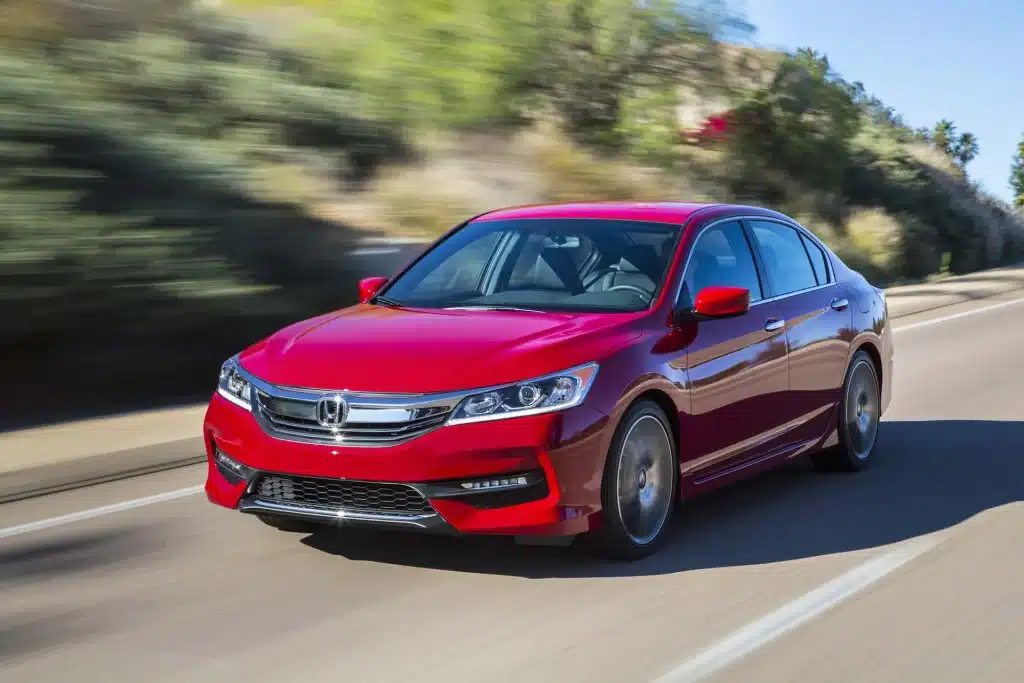
The Honda Accord, a staple in the family sedan category, surprisingly ranks third. With 5,079 fatal crashes from 2014 to 2018, it’s clear that this popular model carries significant risks. Despite its reputation for reliability and comfort, the Accord’s safety record is far from perfect, with 0.65 occupants killed per vehicle in a fatal crash.
The high number of fatal crashes involving the Accord could be attributed to its popularity. With 291,071 units sold in 2018, there are simply more Accords on the road, increasing the likelihood of accidents. However, the relatively high fatality rate per crash suggests that there may be safety issues specific to the Accord that need to be addressed. Further research and analysis would be needed to identify these potential issues.
Toyota Camry: Safety Concerns Behind The Bestseller

The Toyota Camry, another bestseller in the family sedan category, also makes the list with 4,734 fatal crashes from 2014 to 2018. Known for its durability and fuel efficiency, the Camry is a favorite among American consumers. However, these positive attributes are overshadowed by its safety record, with 0.59 occupants killed per vehicle in a fatal crash.
Like the Honda Accord, the Camry’s high sales numbers (343,439 units in 2018) could contribute to its high number of fatal crashes. However, the relatively high fatality rate per crash suggests that there may be other factors at play. It’s possible that certain design or manufacturing aspects of the Camry could be contributing to its safety issues. As with the Accord, further investigation would be needed to confirm this.
Related Posts

The Real Way Bundling Auto And Home Insurance Can Lower Your Rate

Cost of Driving · The Insurance Checkup The Real Way Bundling Auto and Home Insurance Can Lower Your Rate Connor Ashford · September 8, 2026…

6 Car Features That Make Driving Safer After 60
Driving is often seen as a symbol of freedom, and many adults over 60 continue to enjoy the independence it brings. However, with age, changes in vision, reaction time, and mobility can…

7 Used Cars That Actually Appreciate Over Time

Most vehicles lose value the moment they leave the lot, but a rare few manage to go against the grain. These used cars gain value over time, making them unique assets for…