

Navigating the roadways requires more than just a keen sense of direction; it involves ensuring your vehicle is in top condition. Among the myriad challenges that drivers face, certain car problems crop up more frequently than others. Understanding these issues is not only crucial for maintaining your car’s longevity but also for ensuring your safety and that of others on the road. This article delves into the eight most common car problems, providing insights into their symptoms, causes, and solutions, empowering drivers to tackle these challenges head-on and enjoy smoother, safer journeys.
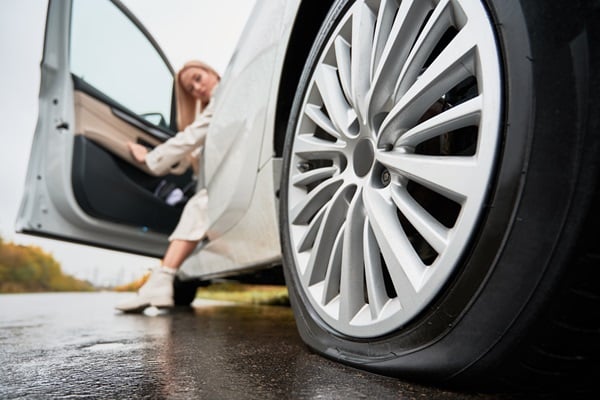
Flat Tires
 wp_under_second_paragraph - under_second_paragraph -->
Brake Issues

The importance of well-functioning brakes cannot be overstated in ensuring driving safety. Common brake problems include worn brake pads, damaged rotors, or fluid leaks. Symptoms like squealing noises, a vibrating steering wheel, or a brake pedal that feels spongy or too hard should not be ignored. Regular brake inspections are vital, ideally as part of routine vehicle maintenance. Replacing brake pads and fluids at recommended intervals can prevent more serious and costly issues.
Neglecting brake maintenance can lead to hazardous driving conditions and potential accidents. Drivers may notice a longer stopping distance or a pulling sensation when braking, which are clear indicators of brake system problems. In these situations, it’s crucial to have the brakes checked by a professional immediately. While some brake maintenance tasks can be a DIY project for the experienced, the complexity of modern brake systems often necessitates professional service to ensure optimal performance and safety.
Overheating Engine

An overheating engine is a critical issue that can lead to significant mechanical failures if not addressed promptly. Causes range from low coolant levels and radiator problems to faulty thermostats and water pumps. Signs of an overheating engine include steam from the hood, a high-temperature gauge reading, or unusual engine noises. Regular checks of the cooling system and maintaining proper coolant levels are essential preventive measures. In the event of overheating, pulling over and turning off the engine to allow it to cool is crucial to avoid further damage.
Continued driving with an overheating engine can cause irreparable damage, including warped engine components and head gasket failures. It’s essential to address the root cause, which might be as simple as refilling the coolant or as complex as repairing a broken radiator. Scheduling regular engine inspections, especially before long journeys, can help detect and rectify issues before they escalate. In case of frequent overheating, professional diagnostic tests are recommended to uncover any underlying problems.
Related Posts

Never Do This to Your Brakes

Common brake maintenance mistakes that compromise vehicle safety and lead to costly repairs Your vehicle’s braking system is arguably the most critical safety component separating you from potential disaster on the road….

Car Habits That Destroy Your Engine

Everyday driving behaviors that seem harmless may be causing significant damage to your vehicle’s most vital component. Your engine is the heart of your vehicle, and like any mechanical system, it requires…

Things that waste gas you haven’t considered
Beyond lead-footed driving and low tire pressure, hidden fuel thieves could be silently draining your tank and your wallet every time you drive. Most drivers understand that aggressive acceleration and high speeds…