
Real-Life Examples Of Hydrogen-Powered Cars

There are already several hydrogen-powered cars on the market, demonstrating the viability of this technology. The Toyota Mirai, for instance, is a hydrogen fuel cell vehicle that has been praised for its smooth ride, luxurious interior, and impressive range. Another example is the Hyundai Nexo, which offers a range of up to 380 miles, significantly more than most electric vehicles.
Honda also has a player in the game with its Clarity Fuel Cell vehicle, which offers a sleek design, comfortable ride, and excellent fuel efficiency. These real-life examples serve to underline the fact that hydrogen-powered cars are not a distant dream but a tangible reality. They also show that while challenges remain, significant progress is being made in making these vehicles a viable choice for consumers.
Hydrogen Infrastructure: The Current State And Future Possibilities

One of the most significant challenges facing the adoption of hydrogen-powered cars is the lack of a comprehensive refueling infrastructure. There are currently far fewer hydrogen fueling stations than gasoline stations or electric vehicle charging points, particularly outside of major cities. This limits the practicality of owning a hydrogen-powered car for many people.
However, the situation is improving. Governments and private companies are investing in the development of hydrogen infrastructure, and the number of hydrogen refueling stations is gradually increasing. There are also efforts to develop home refueling units, allowing owners of hydrogen cars to refuel their vehicles at home. As this infrastructure develops, hydrogen-powered cars are likely to become a more practical and appealing option for more people.
Comparison with Other Green Vehicles

When compared to other green vehicles, like electric cars and hybrids, hydrogen-powered cars have both advantages and disadvantages. In terms of refueling time and range, hydrogen cars outperform electric vehicles. However, electric cars currently have a significant advantage in terms of infrastructure, with many more charging points available than hydrogen refueling stations.
under_second_paragraph -->Moreover, the initial cost of purchasing a hydrogen car is typically higher than an electric vehicle or hybrid. However, it’s worth noting that as the technology and infrastructure develop, these costs are expected to decrease. Ultimately, the choice between a hydrogen car and another type of green vehicle will depend on a variety of factors, including personal preferences, driving habits, and the availability of refueling or charging infrastructure.
Government Policies And Incentives

Government policies and incentives can play a crucial role in promoting the adoption of hydrogen-powered cars. Several governments worldwide have introduced policies aimed at promoting the use of hydrogen as a fuel source for vehicles. These include subsidies for purchasing hydrogen vehicles, investments in hydrogen infrastructure, and targets for increasing the number of hydrogen vehicles on the roads.
In many countries, there are also incentives for buying green vehicles in general, which can apply to hydrogen cars. These can include tax credits, rebates, and exemptions from certain charges or fees. Such policies can make hydrogen cars more financially attractive, encouraging more people to consider them as a viable option.
Future Outlook For Hydrogen-Powered Cars
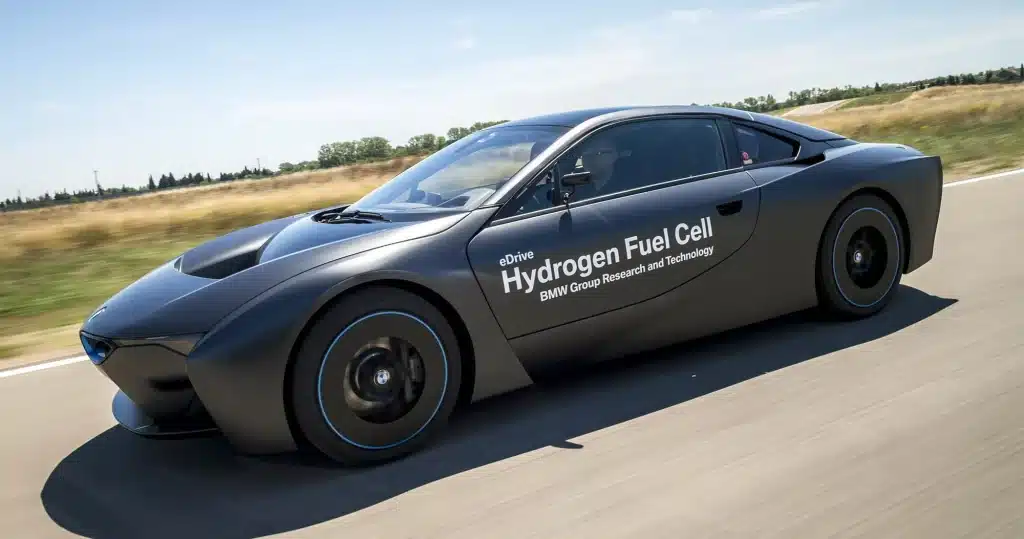
The future of hydrogen-powered cars looks promising. With increasing interest in sustainable transport, the demand for green vehicles will likely continue rising. While the hydrogen fuel cell vehicle market is currently small compared to the electric vehicle market, it is growing rapidly, and with continued advancements in technology and infrastructure, its share of the market could increase significantly.
There are undoubtedly challenges ahead, including improving the environmental impact of hydrogen production, building a robust hydrogen refueling infrastructure, and reducing the cost of hydrogen vehicles. However, with concerted effort and investment, these challenges can be overcome, paving the way for hydrogen-powered cars to play a significant role in the green revolution.
Hydrogen-Powered Cars Offer A Promising Future!
Hydrogen-powered cars have the potential to significantly contribute to the Green Revolution, offering a sustainable and efficient alternative to fossil fuel-based vehicles. While challenges remain to be addressed, particularly in terms of infrastructure and production costs, the technology is advancing rapidly. With the growing demand for green vehicles, support from governments, and ongoing innovation from manufacturers, hydrogen-powered cars are poised to become a significant player in the world of sustainable transportation. They represent a promising path toward a cleaner, greener future.


