Automotive Guide
Cars That Hold Value The Best
Why some trucks, SUVs and sports cars lose less money over time, and what buyers can do with that knowledge.
Cars that hold value the best share a few traits: steady demand, a reputation for durability and a supply that never quite catches up with buyers. Every new vehicle starts losing value once it leaves the dealership, but the pace of that loss varies widely from one model to the next. Resale analyses from publishers such as Kelley Blue Book and iSeeCars regularly show certain trucks, off-road SUVs and sports cars keeping a larger share of their original price than many sedans and luxury flagships. Understanding why can help shoppers choose a vehicle that costs less to own in the long run, whether they plan to sell after three years or drive it for ten.
How Car Depreciation Works
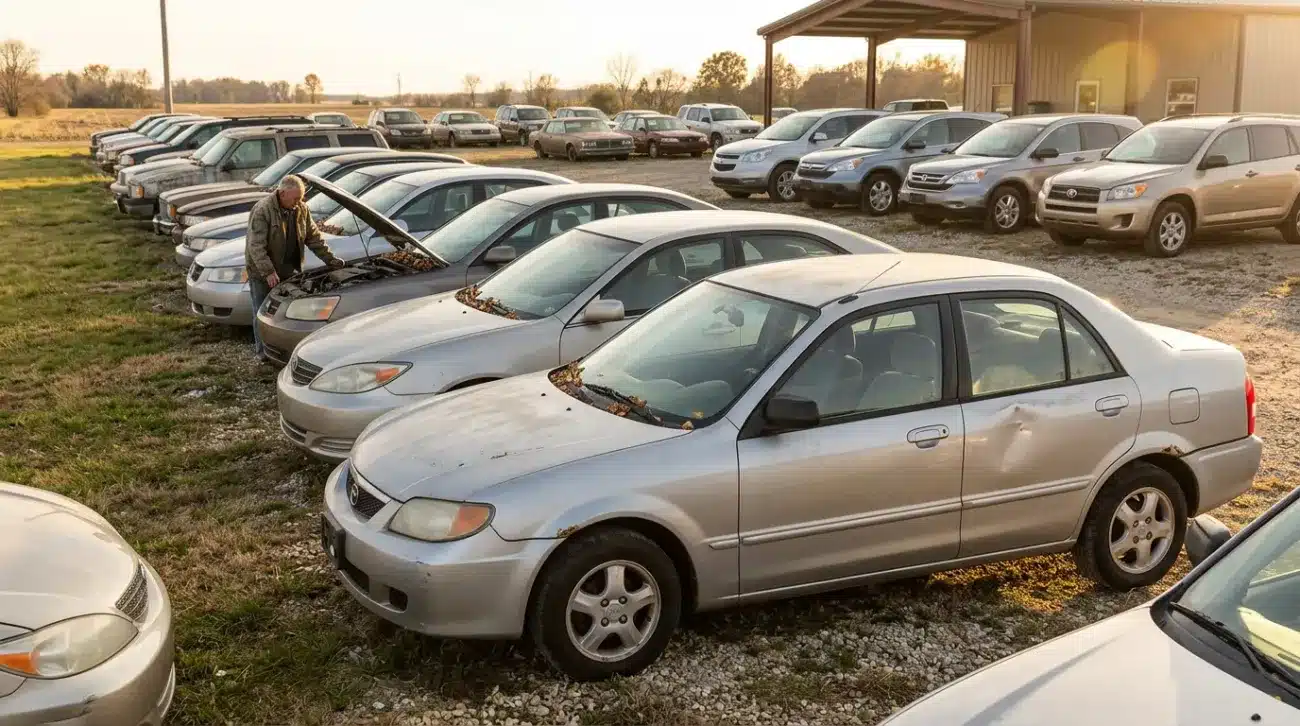
Depreciation is the gap between what a vehicle costs new and what it is worth later. For many owners it ranks among the largest costs of owning a new car, in some cases outweighing fuel or routine maintenance. The loss is generally steepest in the early years of ownership and then slows as the vehicle ages, which is why used cars of moderate age are often described as a way to avoid the sharpest drop.
Resale value is usually expressed as the share of the original price a car retains after a set period. Because publishers choose different time windows, price sources and methods, their rankings do not always match. Even so, the same models and segments appear near the top of many lists, which suggests the underlying causes are consistent rather than a quirk of one study.
Kelley Blue Book publishes annual resale value awards, and iSeeCars publishes studies of how much value different models lose over several years of ownership. Methods and time frames differ, so the lists should be read as indicators rather than guarantees. Current figures can be checked on each publisher’s website.
Trucks and Off-Road SUVs With Strong Resale Value

Pickup trucks and rugged SUVs are among the most consistent performers in resale rankings. The Toyota Tacoma, Toyota 4Runner and Jeep Wrangler are models that have repeatedly been cited by different publications for retaining a high share of their value. Full-size pickups also tend to fare well compared with the average passenger car, though results vary by brand, trim and year.
Several explanations are commonly offered. These vehicles are often built with traditional body-on-frame construction and carry a reputation for lasting a long time. They serve both work and recreation, which keeps the used buyer pool broad. Enthusiast communities and a deep aftermarket for accessories add further demand. When used buyers are plentiful and good examples are scarce, prices hold up, and that is the core mechanism behind strong resale value.
Sports Cars and Enthusiast Models
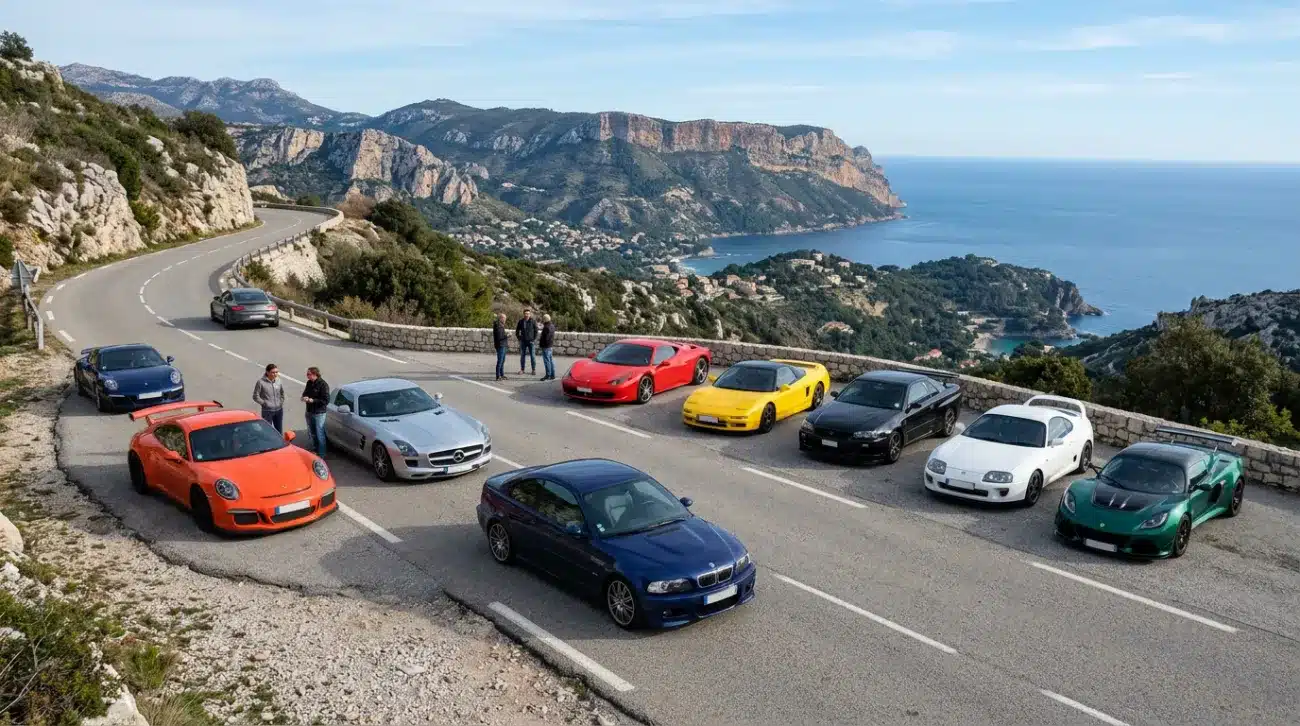
At the performance end of the market, the Porsche 911 is regularly mentioned for strong value retention, and the Chevrolet Corvette has appeared in some analyses as well. Sports cars with a loyal following can hold value because production is limited relative to interest, the brand carries prestige and certain configurations become sought after by collectors and drivers who value a manual transmission or special edition.
There are caveats. Most sports cars still depreciate, and buyers who paid well above the sticker price for a limited model can see that premium disappear when supply improves. Insurance, maintenance and repair costs on high-performance cars can also be considerable, so strong resale value should not be confused with low total cost of ownership.
Mainstream Cars and Hybrids

Not every strong performer is a specialty vehicle. Compact cars and crossovers from brands such as Toyota, Honda and Subaru commonly place well in resale comparisons, and the reason is usually reputation. Buyers of used cars want to avoid expensive surprises, and brands associated with reliability tend to attract more bids on the used market, which supports prices.
Hybrids from established manufacturers can benefit as well, particularly when fuel prices rise and shoppers look for efficiency. The used market also showed how unusual conditions can change the picture. Supply disruptions during the pandemic period constrained new-car availability, and used prices rose sharply for many vehicles before easing later. That episode is a reminder that resale value responds to the wider economy, not only to the qualities of a given car.
Electric Vehicles and Luxury Sedans

At the other end of the spectrum, large luxury sedans have long been known for depreciating faster than average. They cost a lot when new, are often discounted heavily and appeal to a narrower group of used buyers, who may be wary of the cost of repairing complex features as the car ages.
Electric vehicles have also drawn attention for faster depreciation in recent years, according to various market analyses. Commonly cited reasons include rapid improvements in technology and range, changes in government incentives, price cuts from manufacturers that reset the value of earlier cars and buyer uncertainty about long-term battery health. Results differ by model, and as the used EV market matures these patterns may change, so current data is worth checking before drawing firm conclusions.